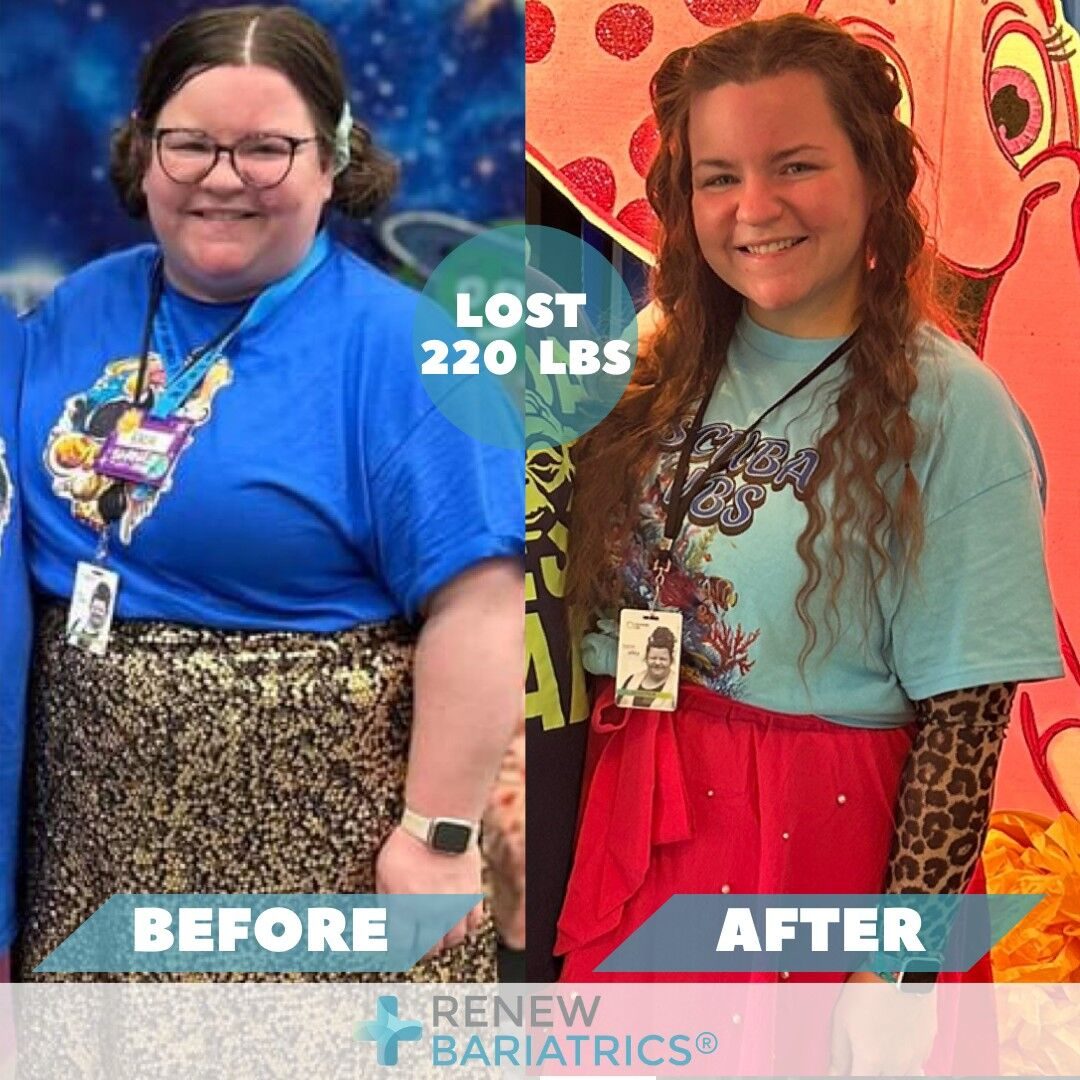
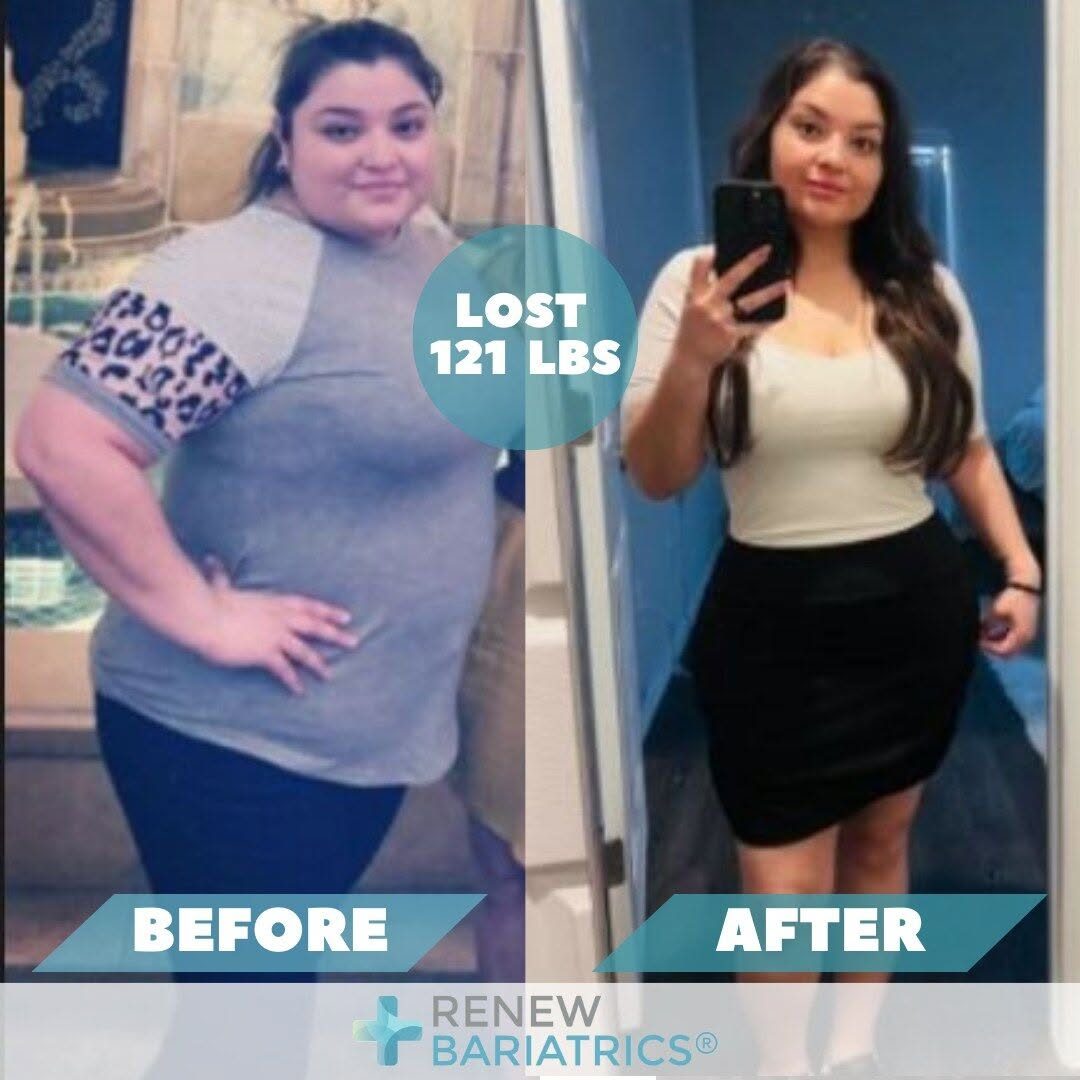
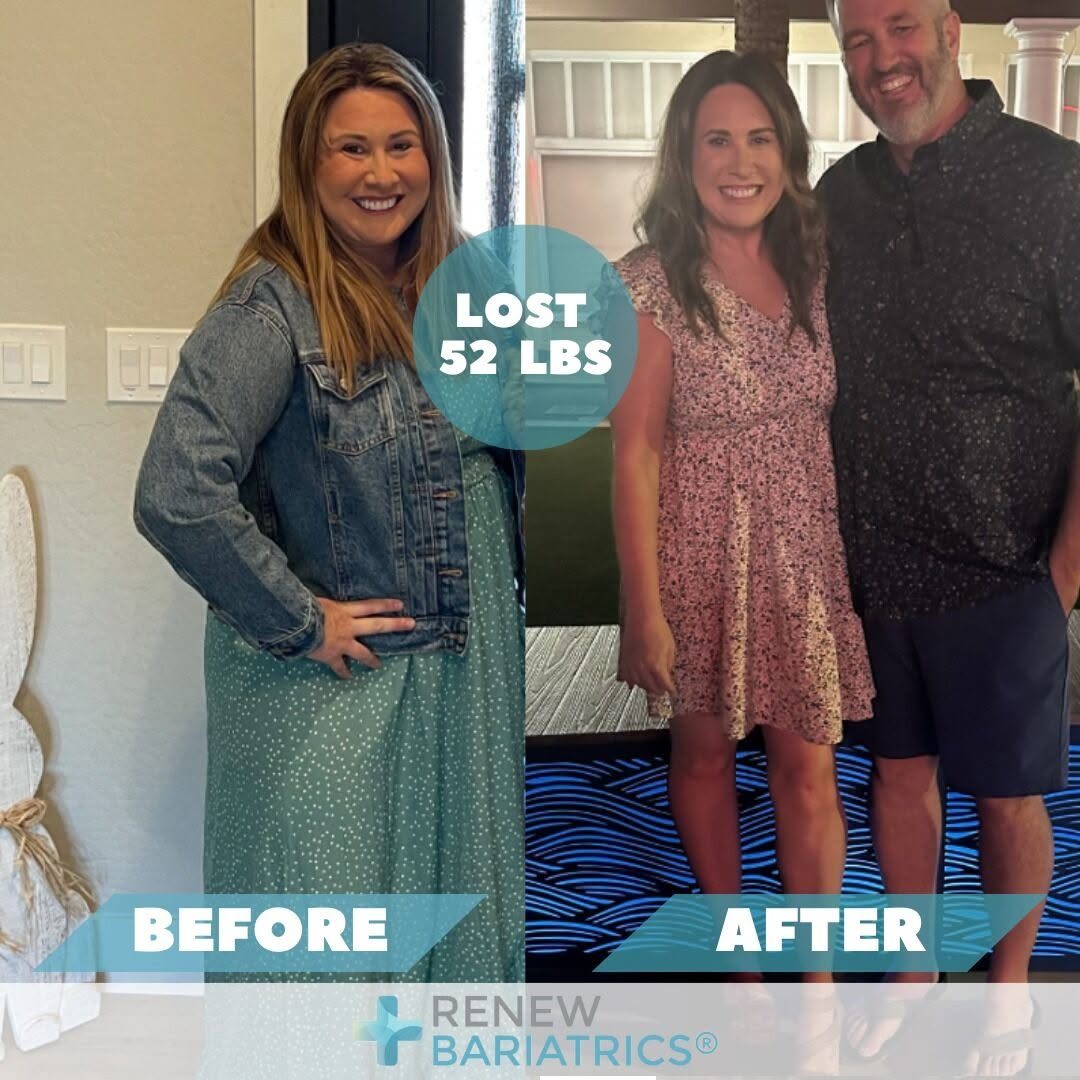
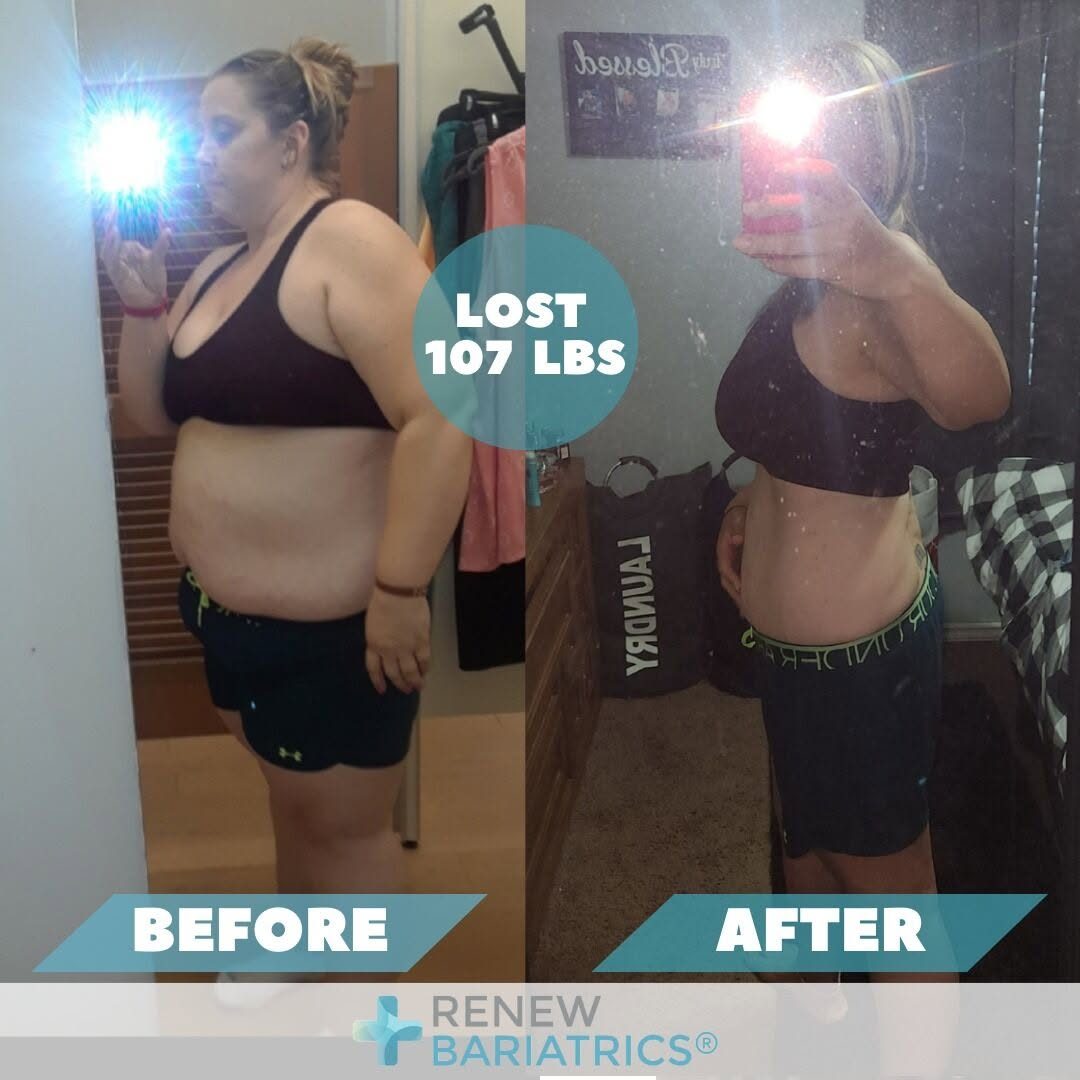
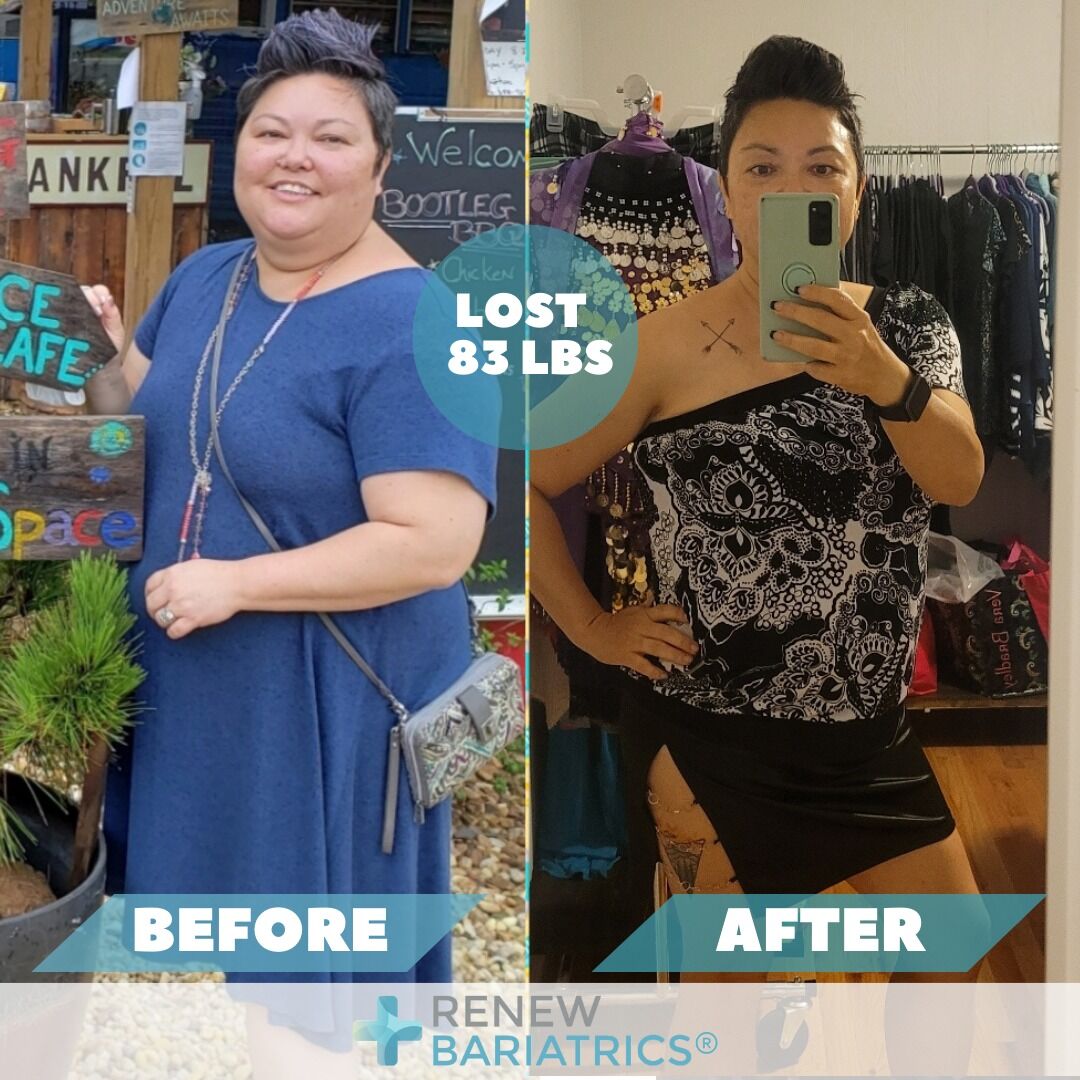
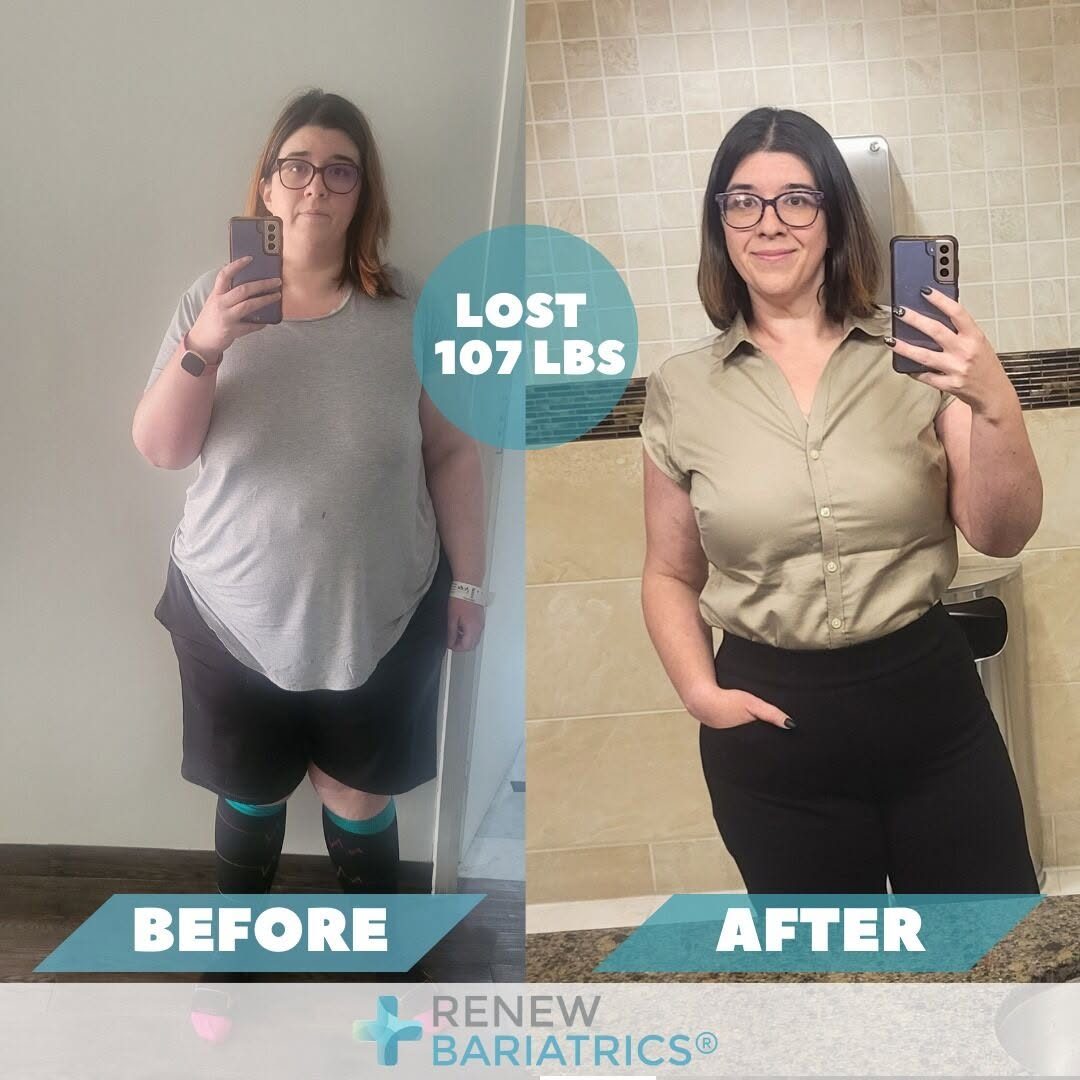
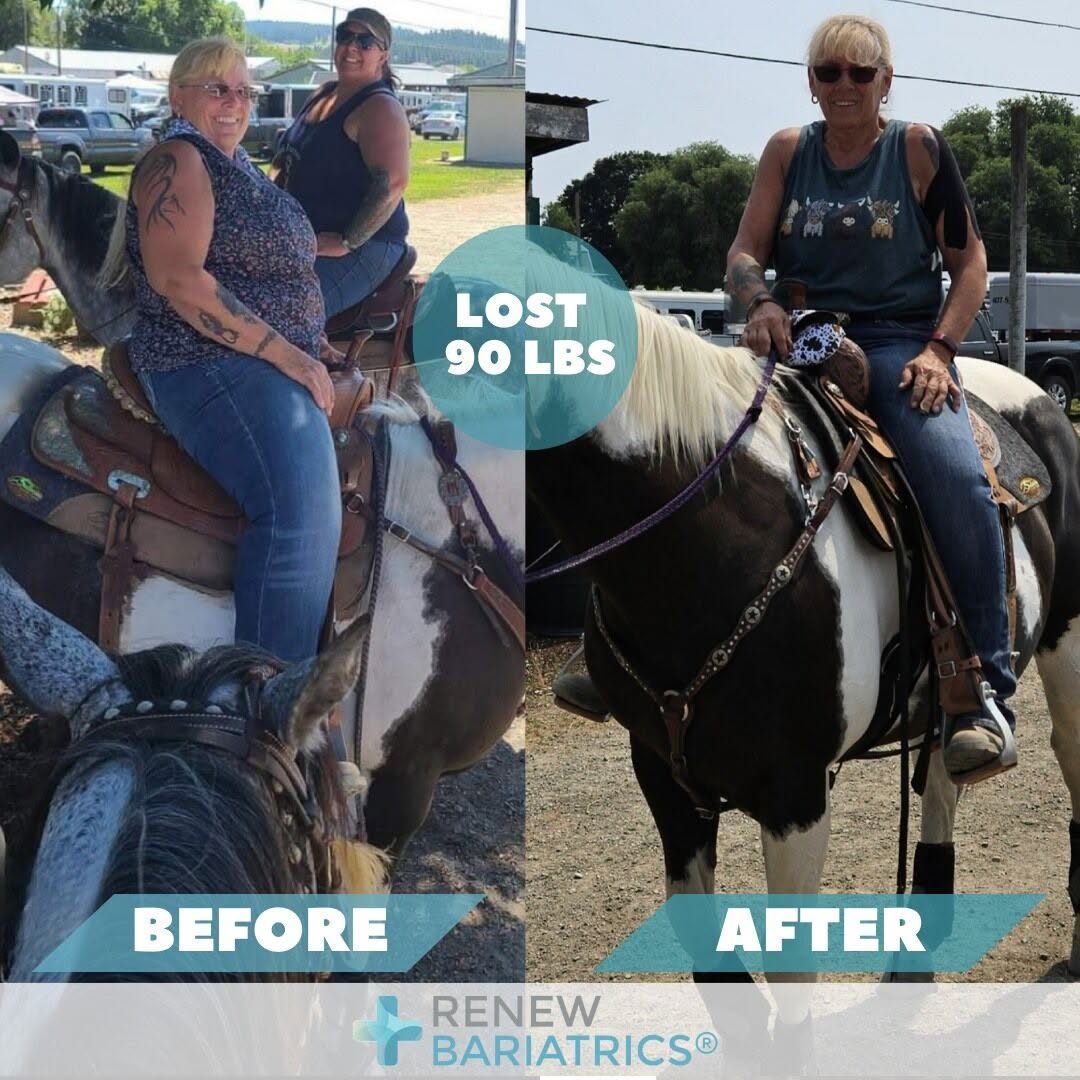
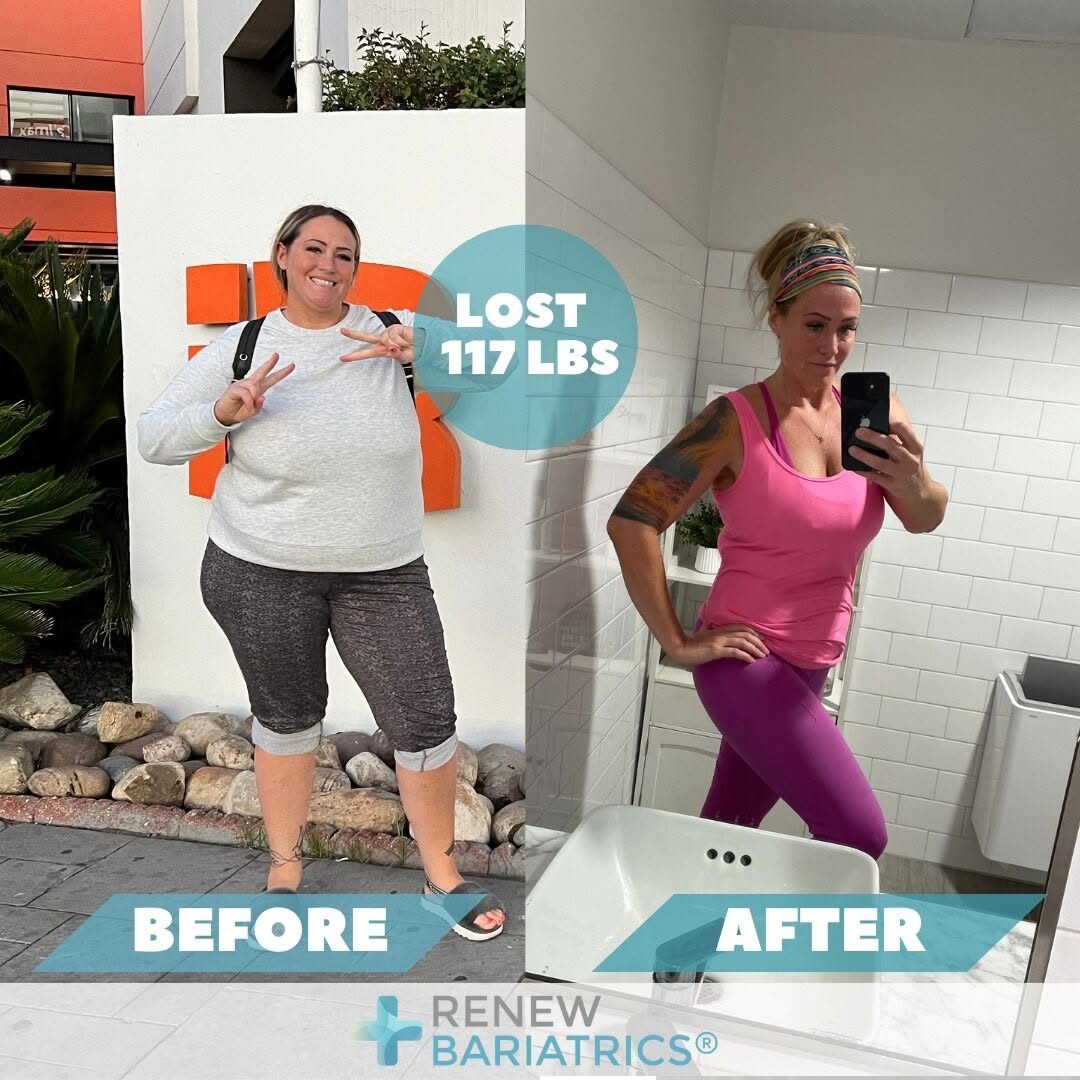
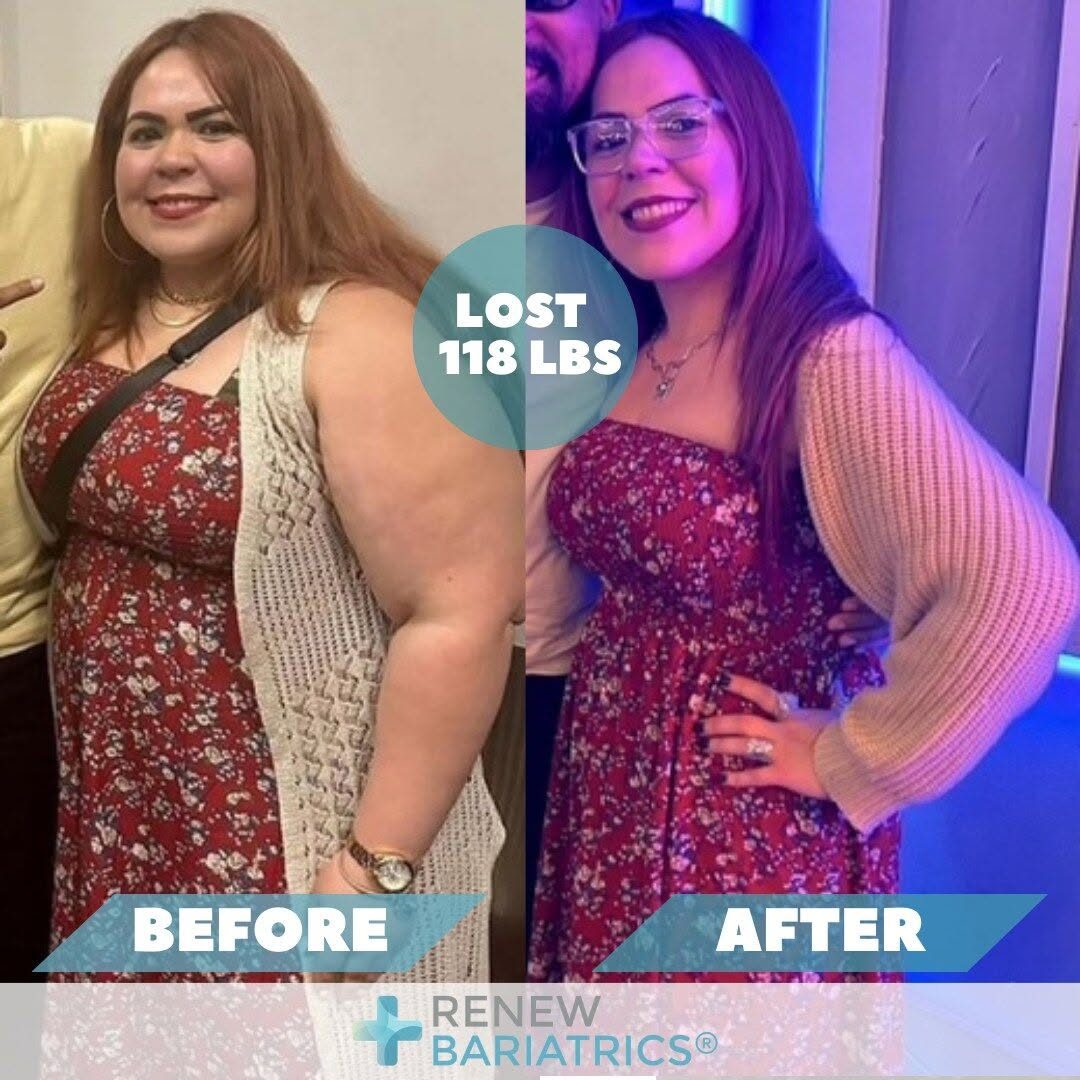
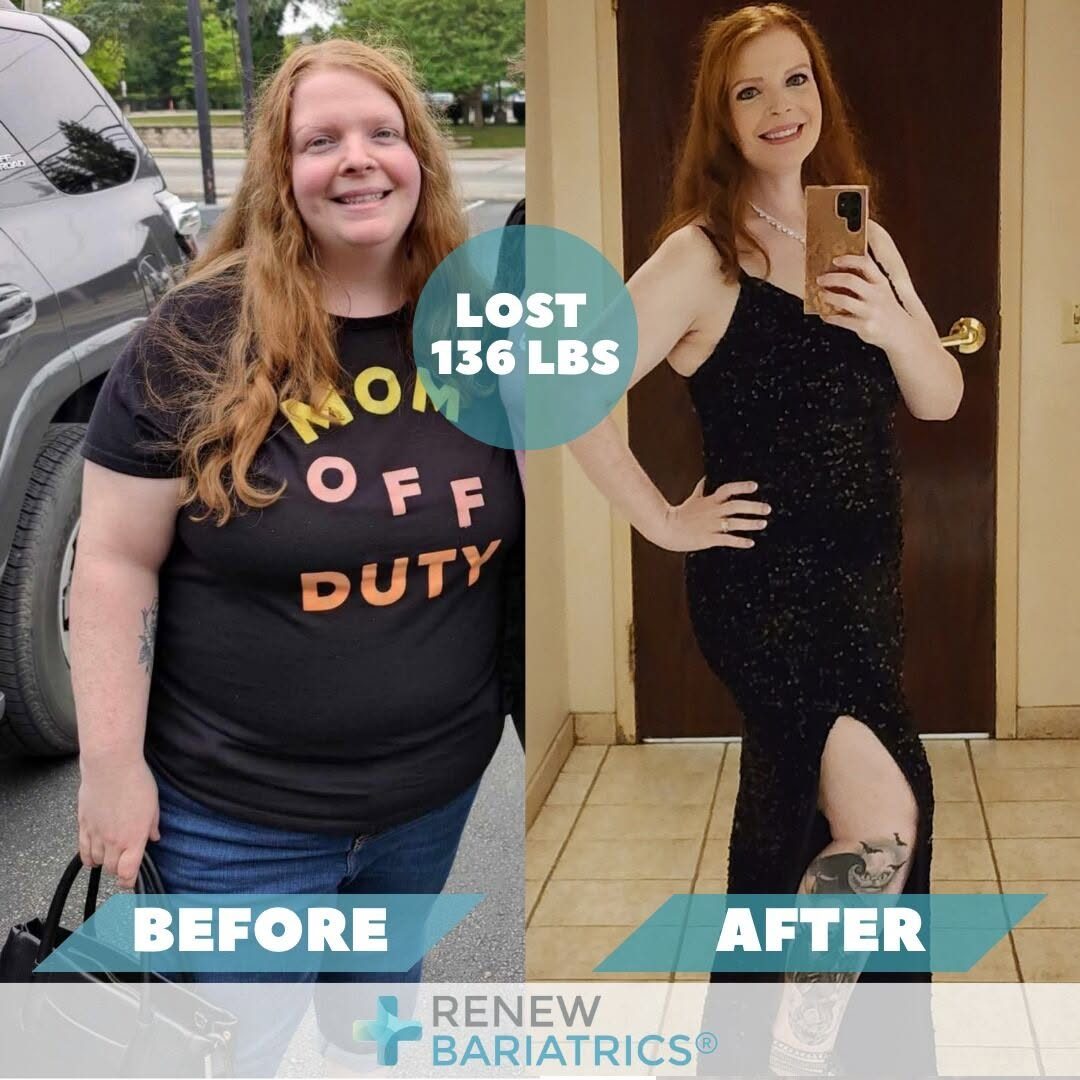
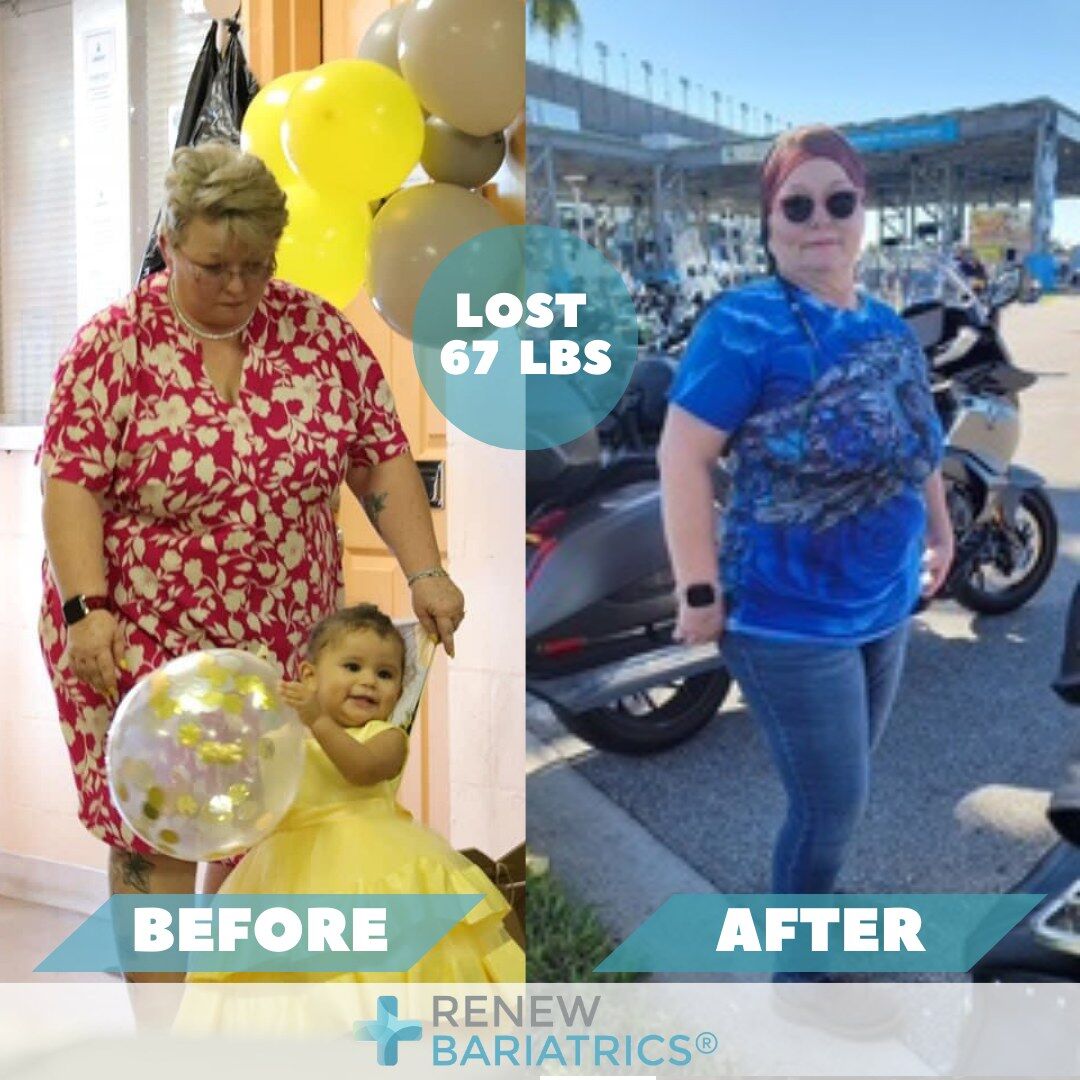
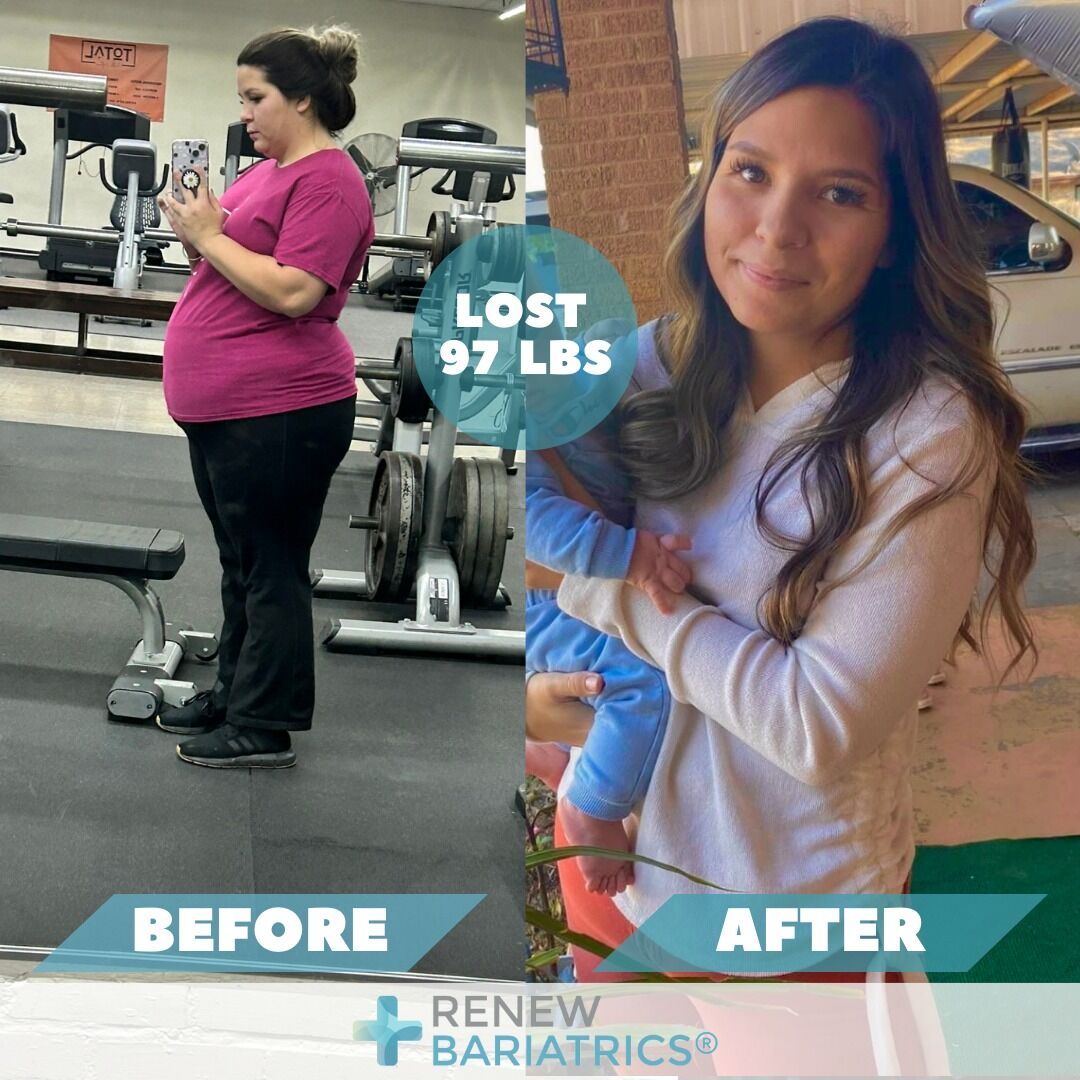
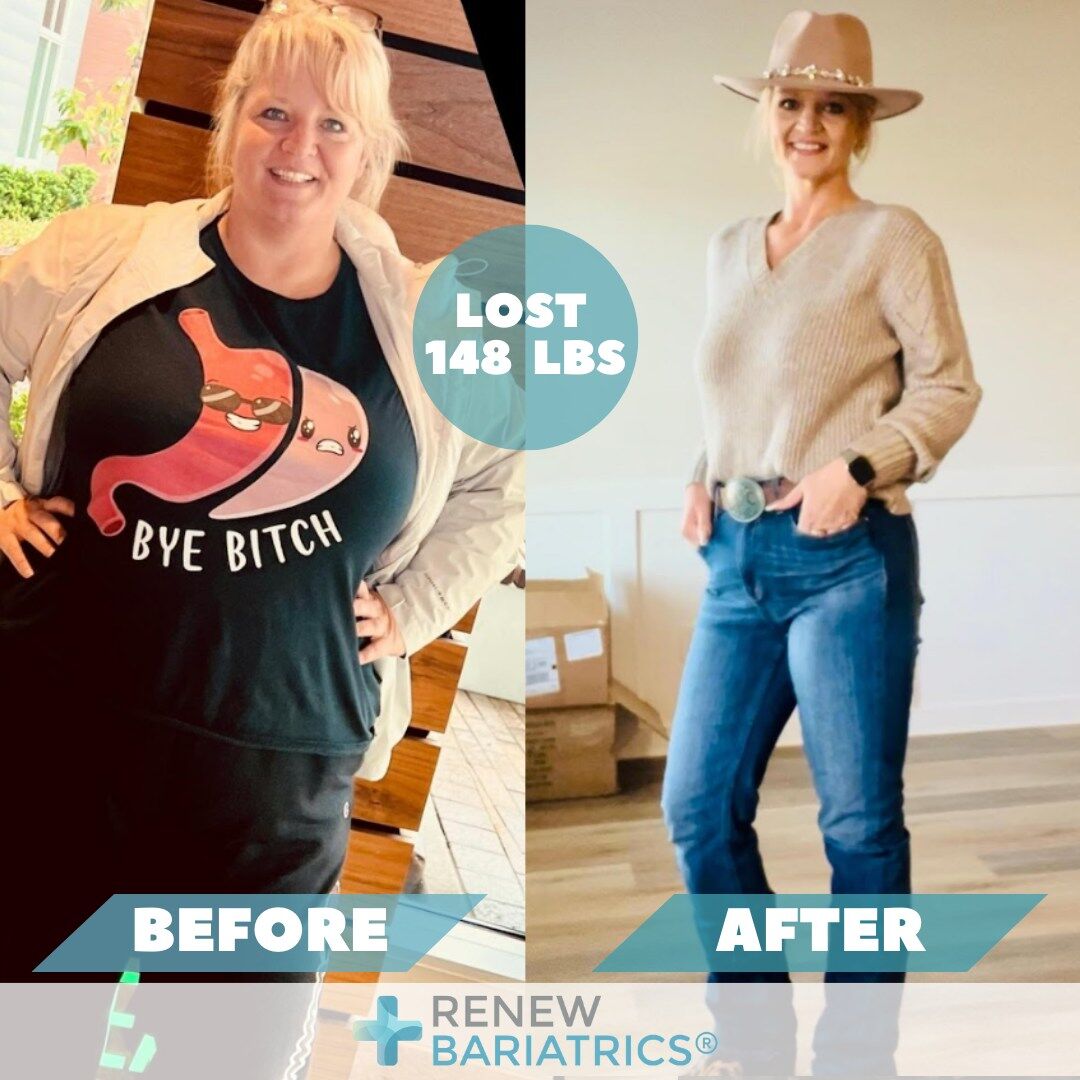
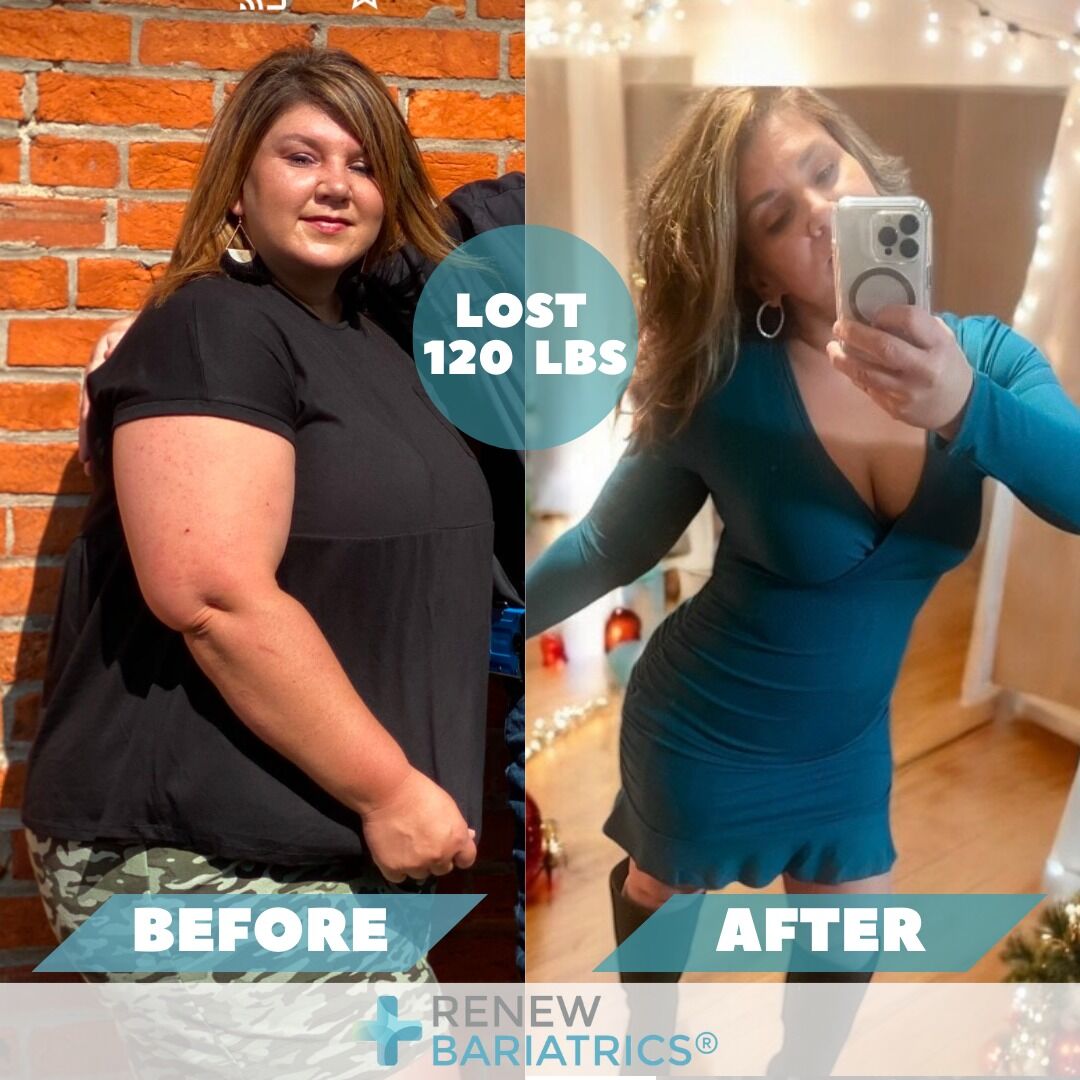
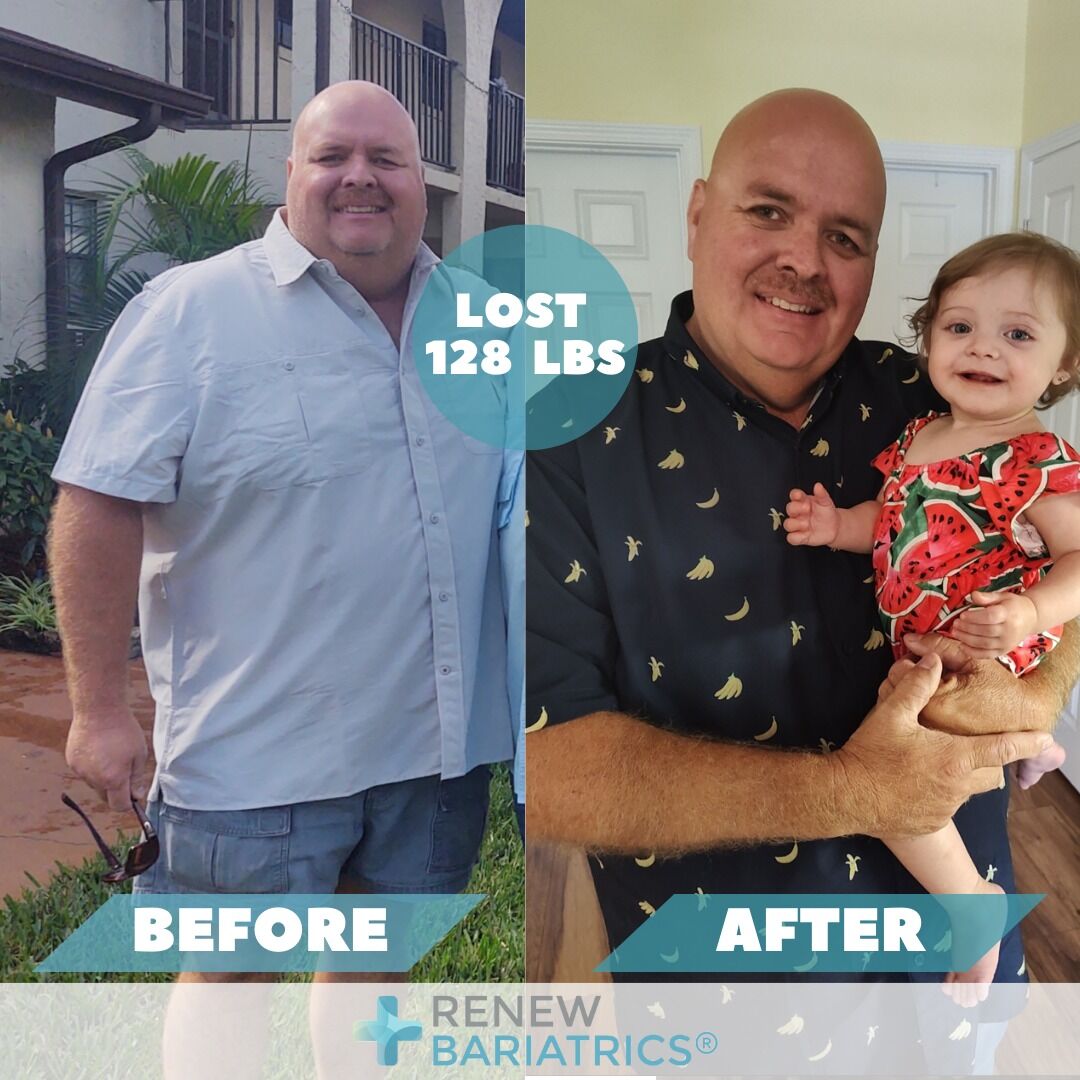
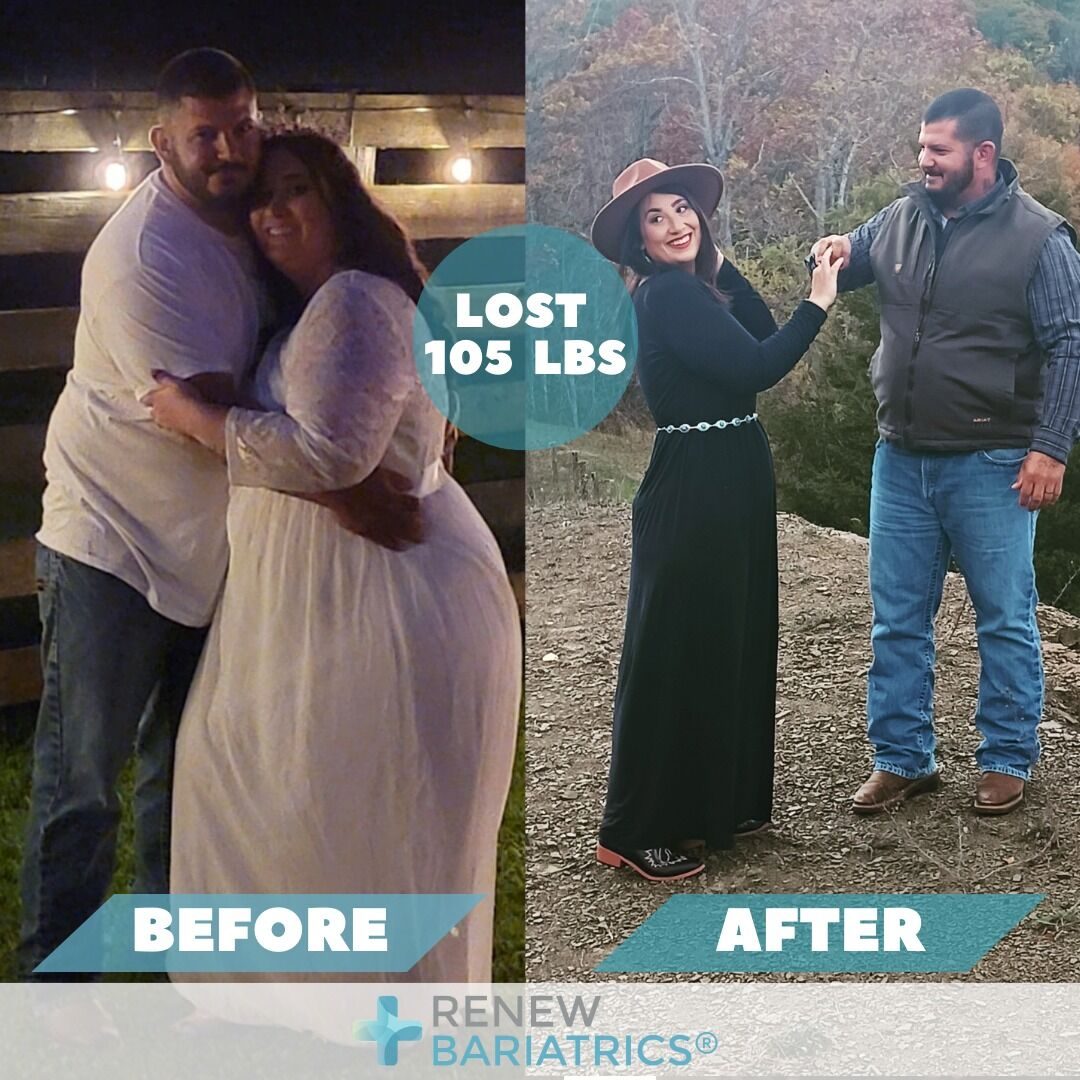
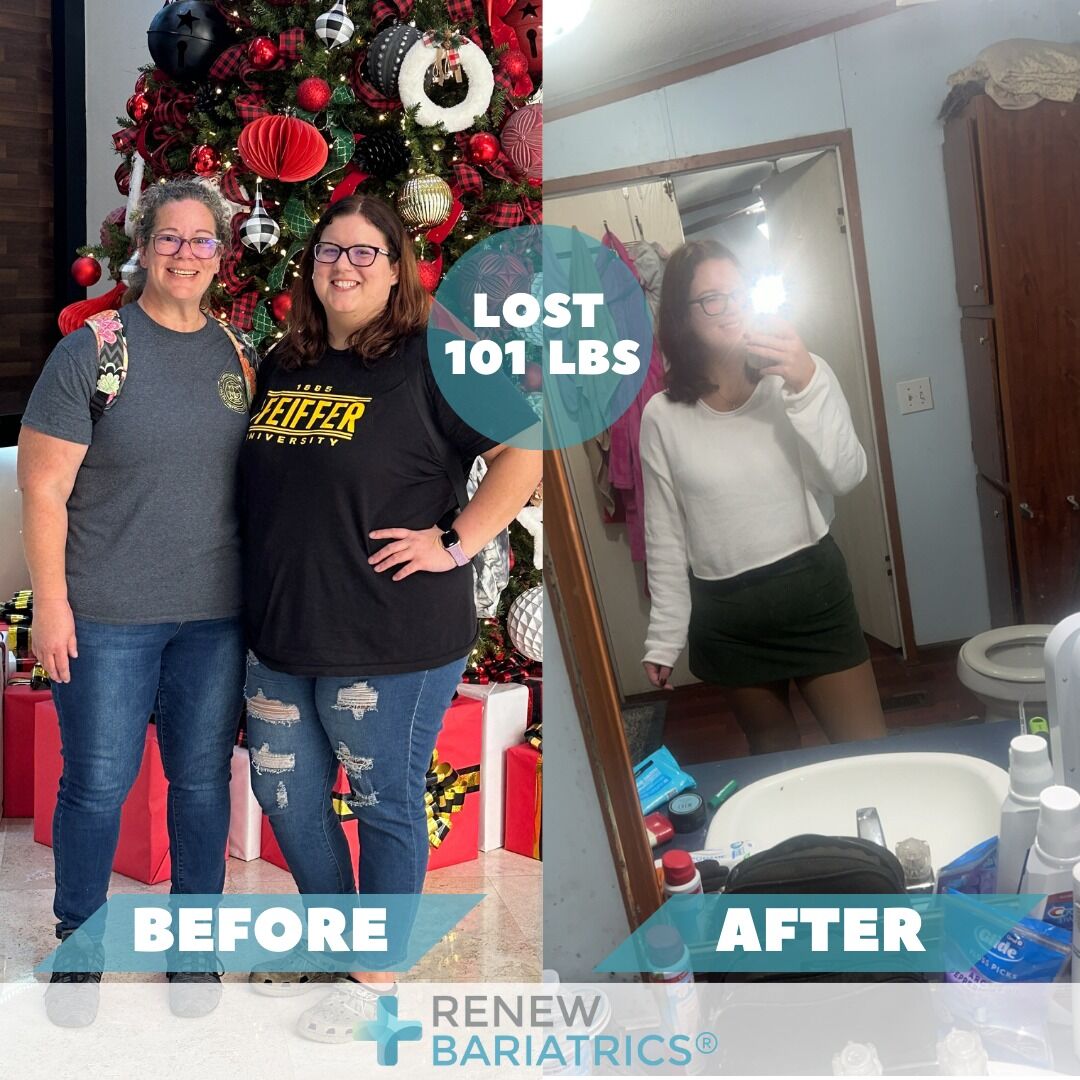
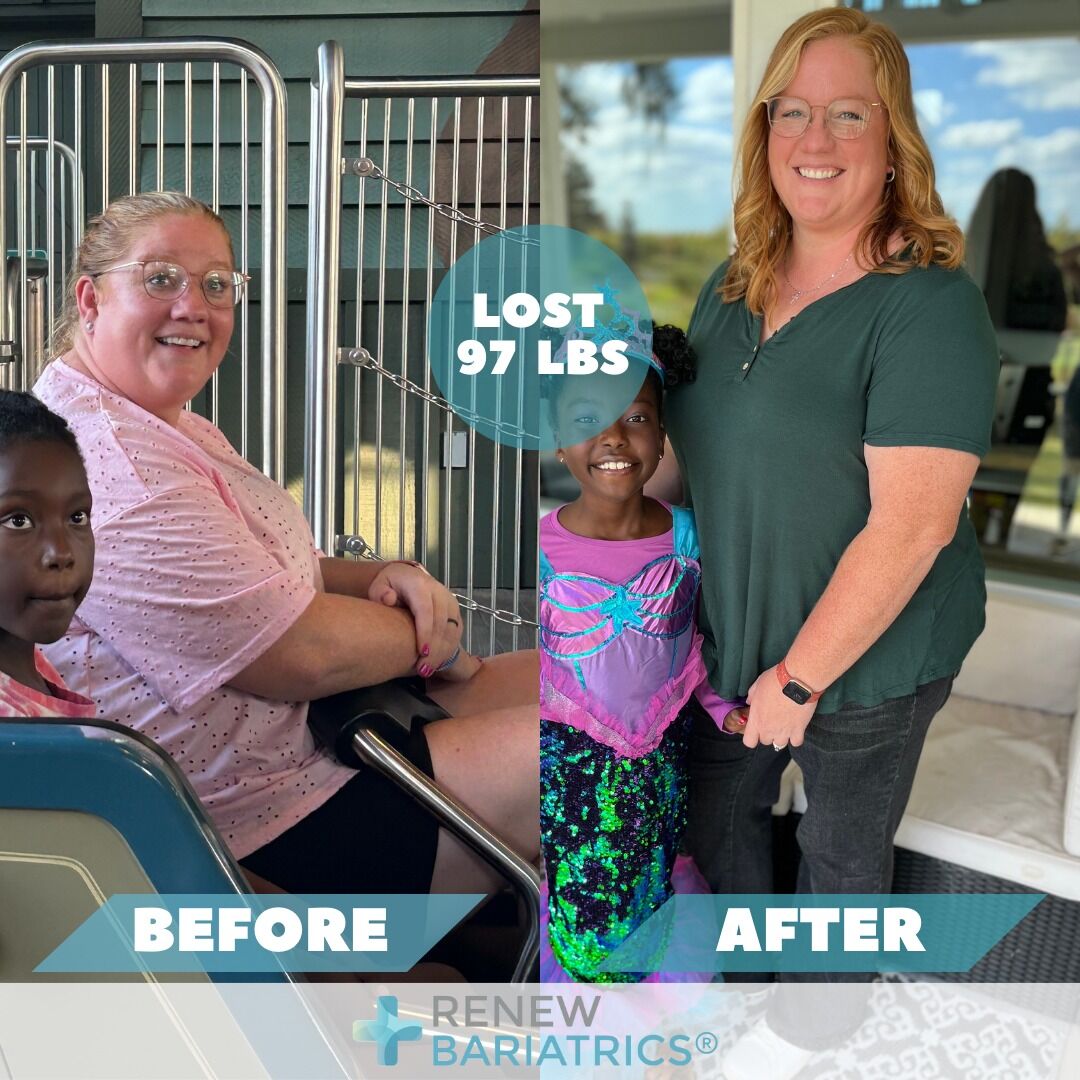
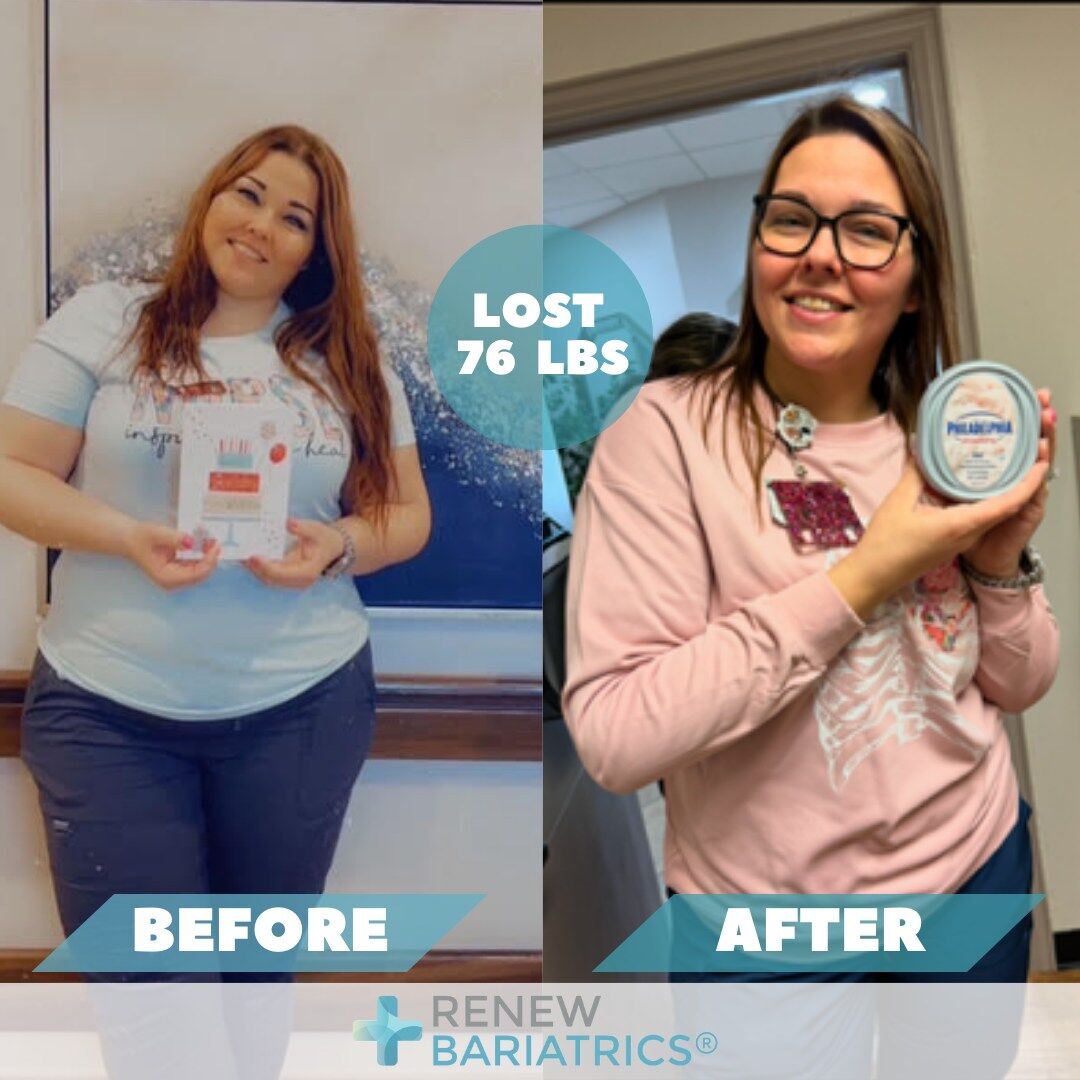
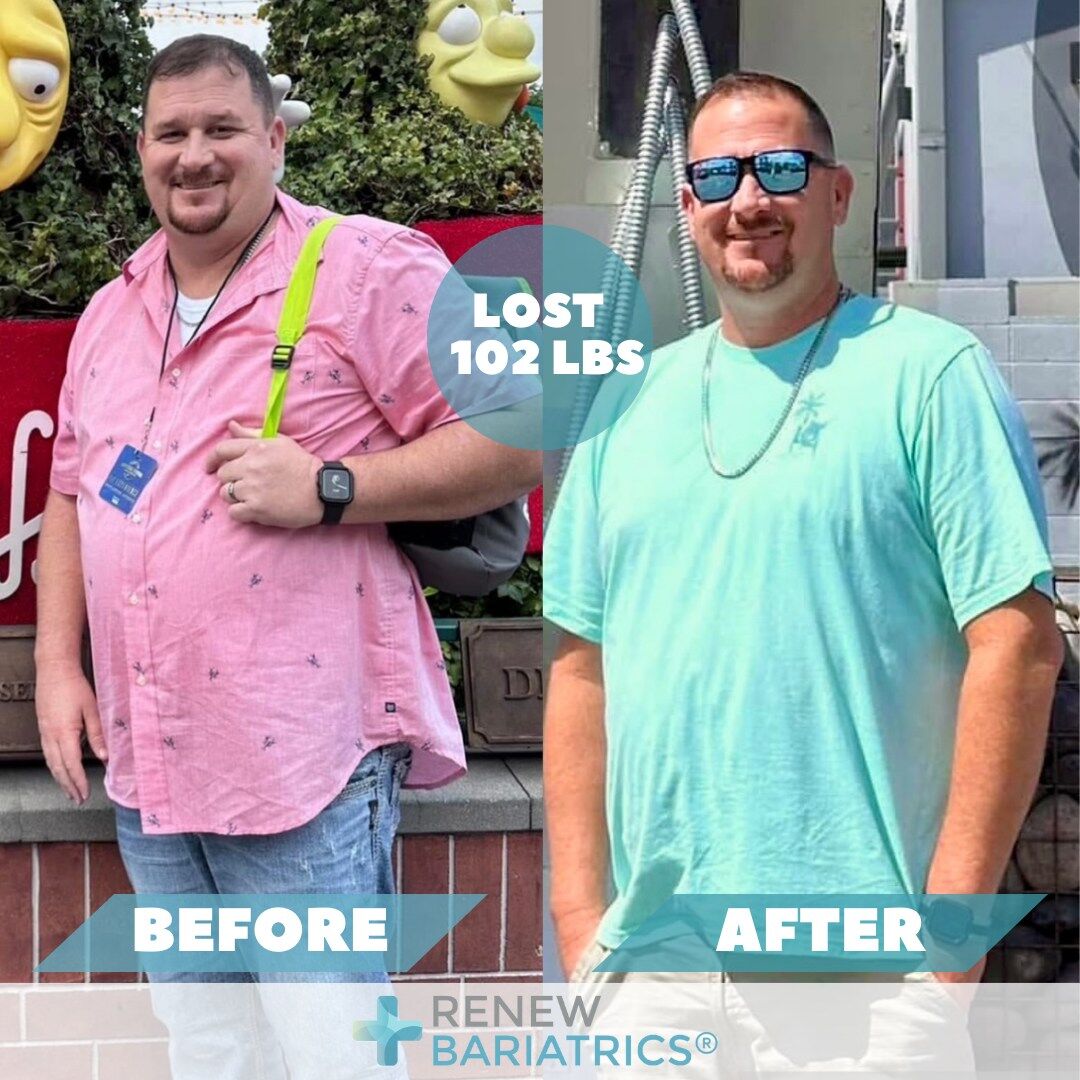
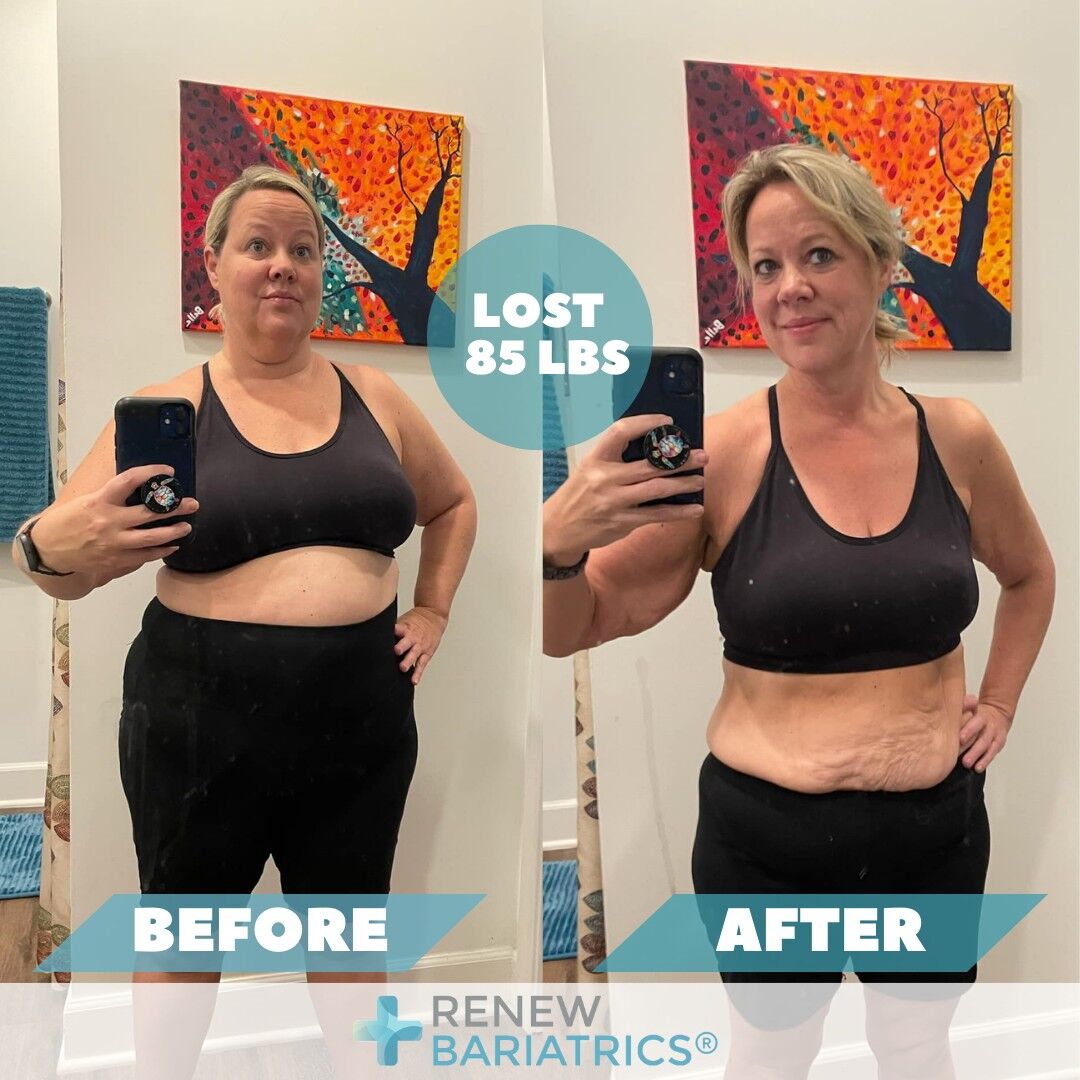
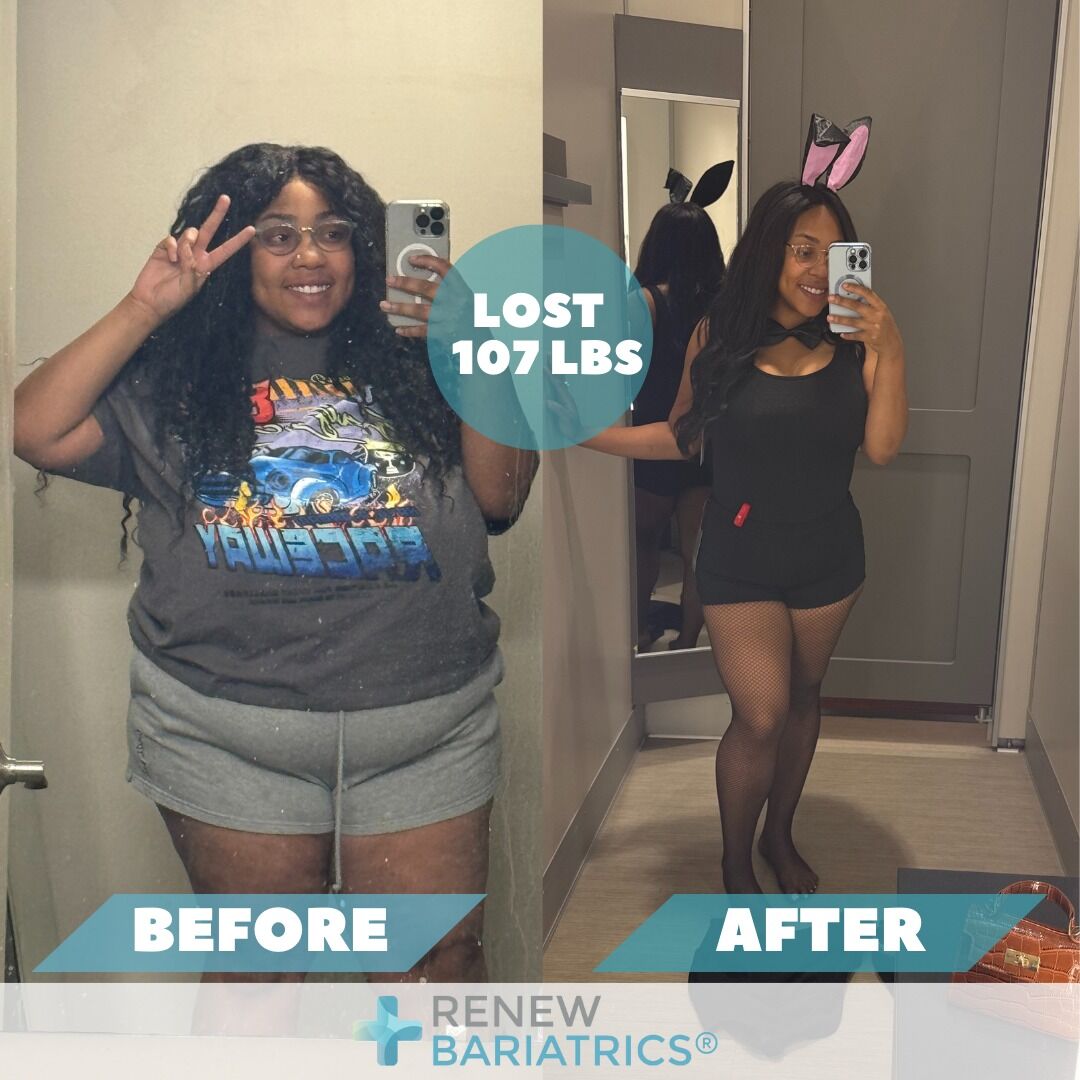
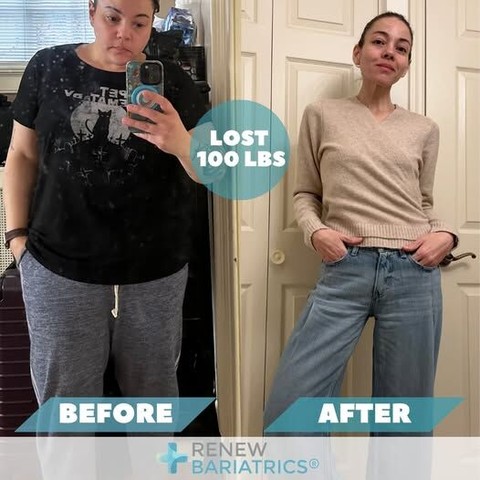
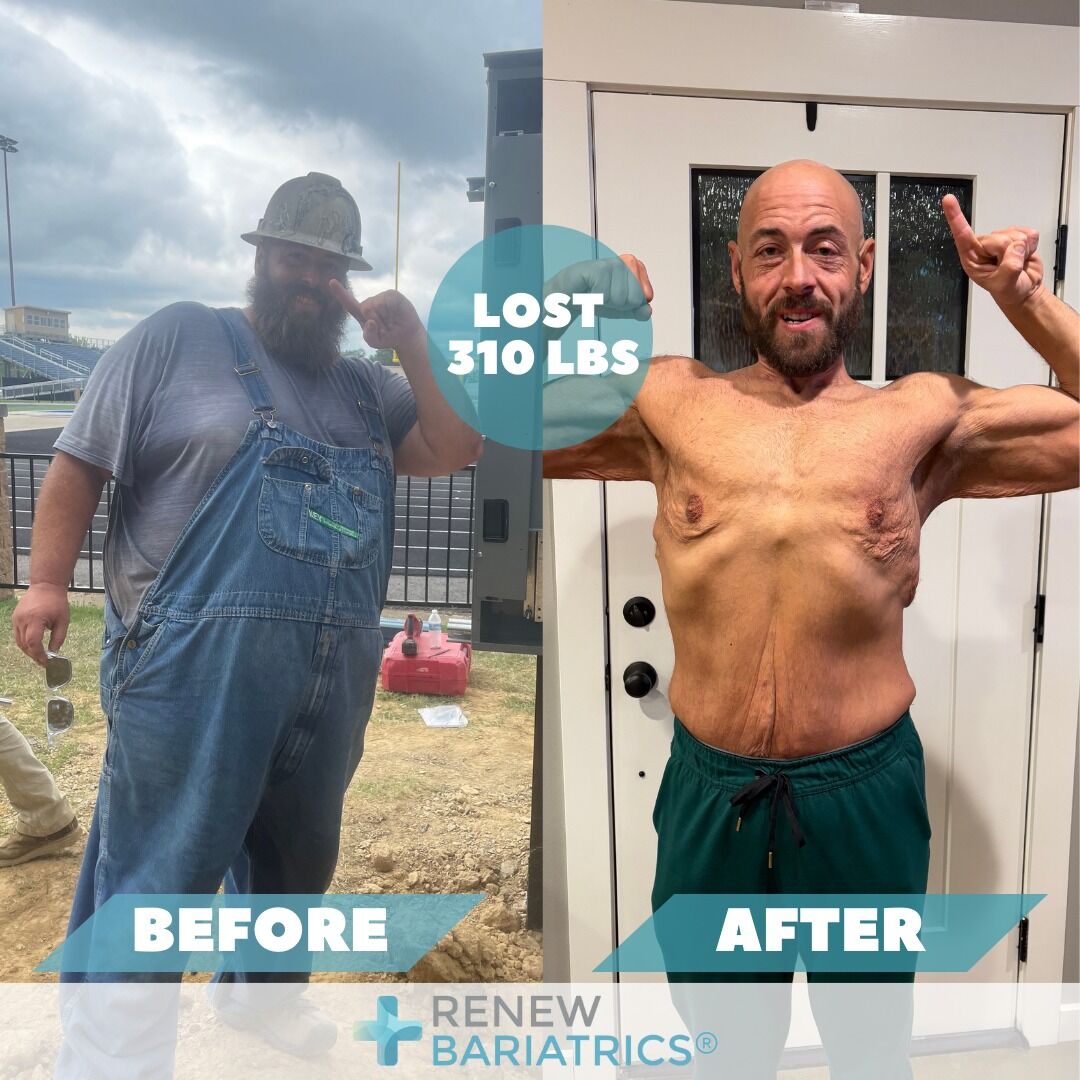
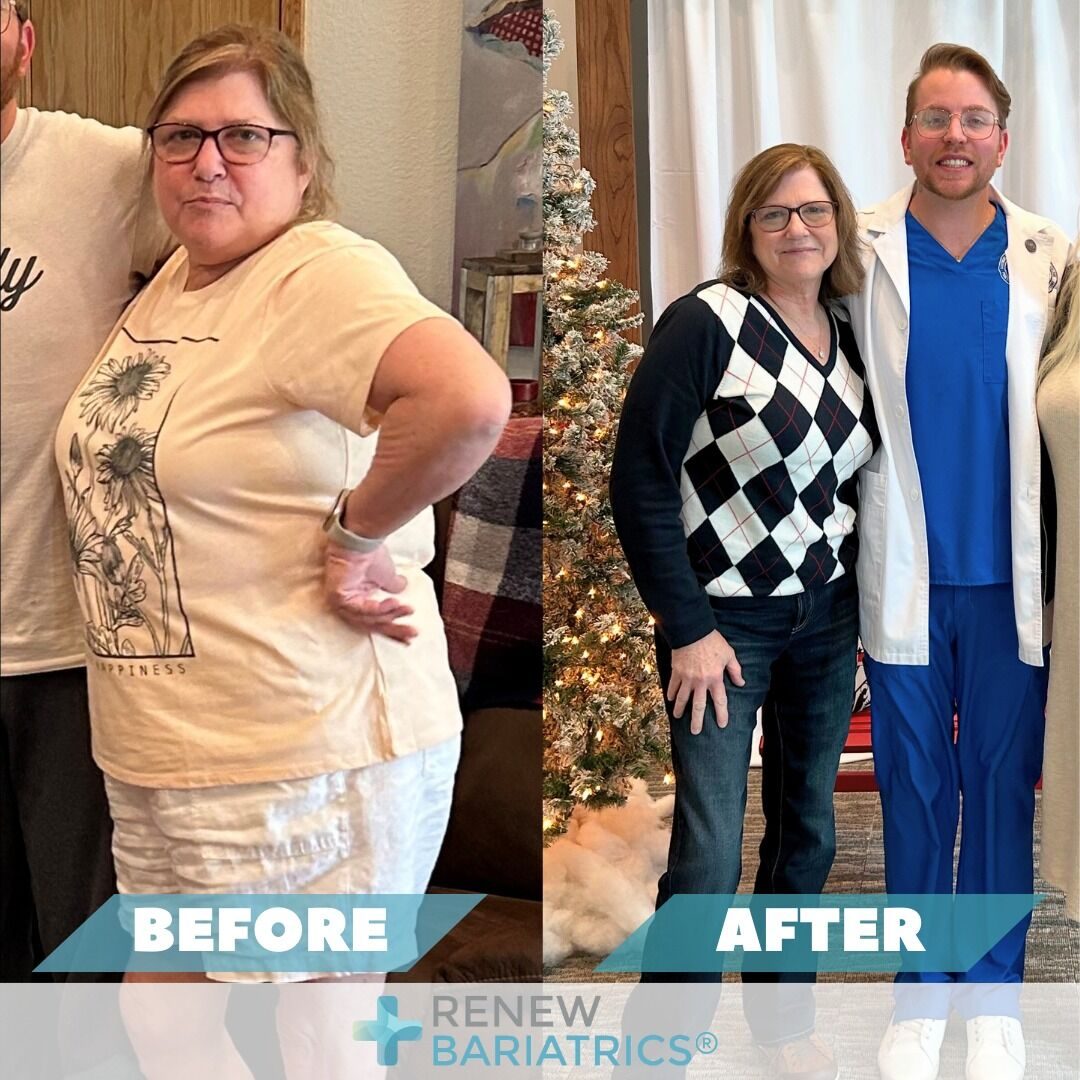
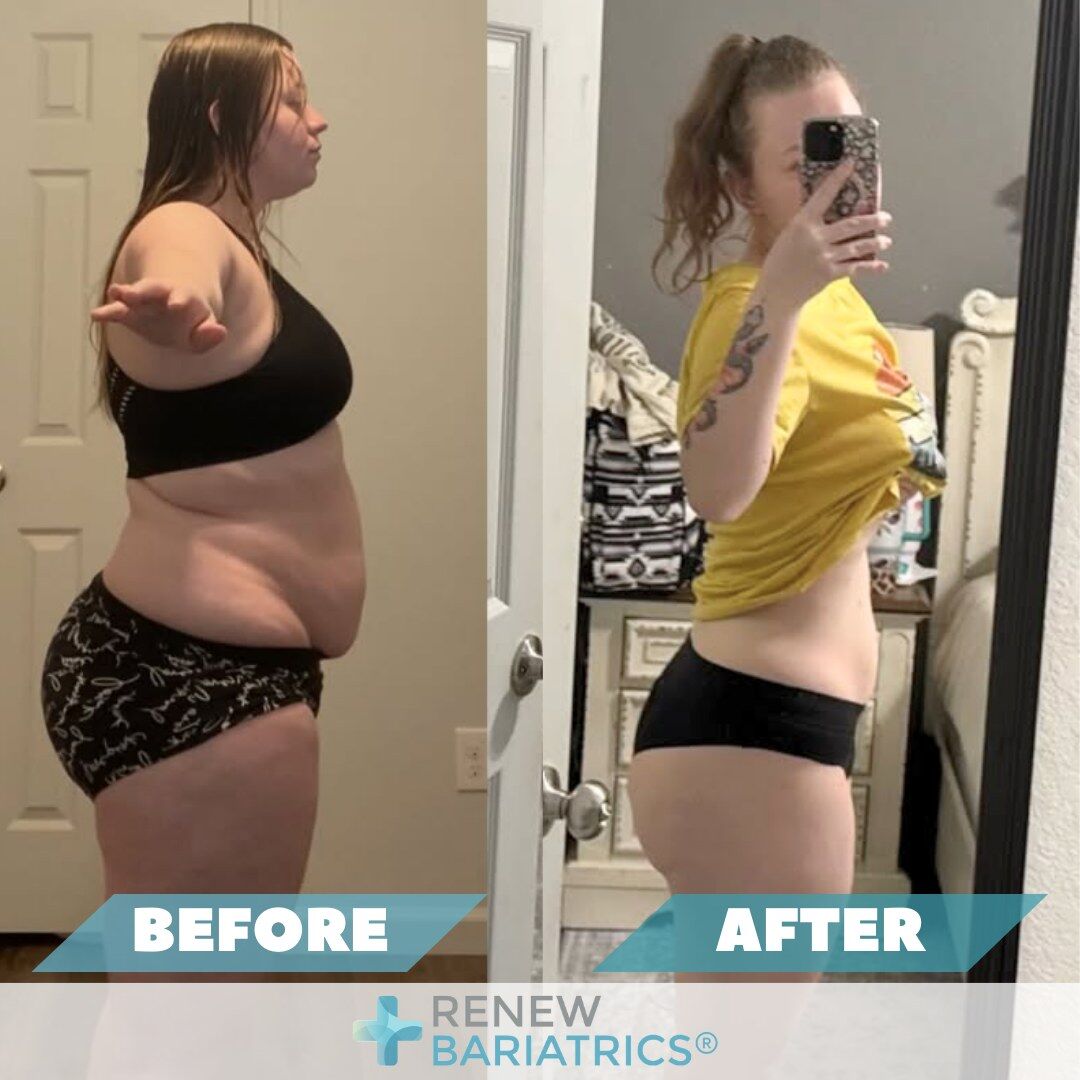
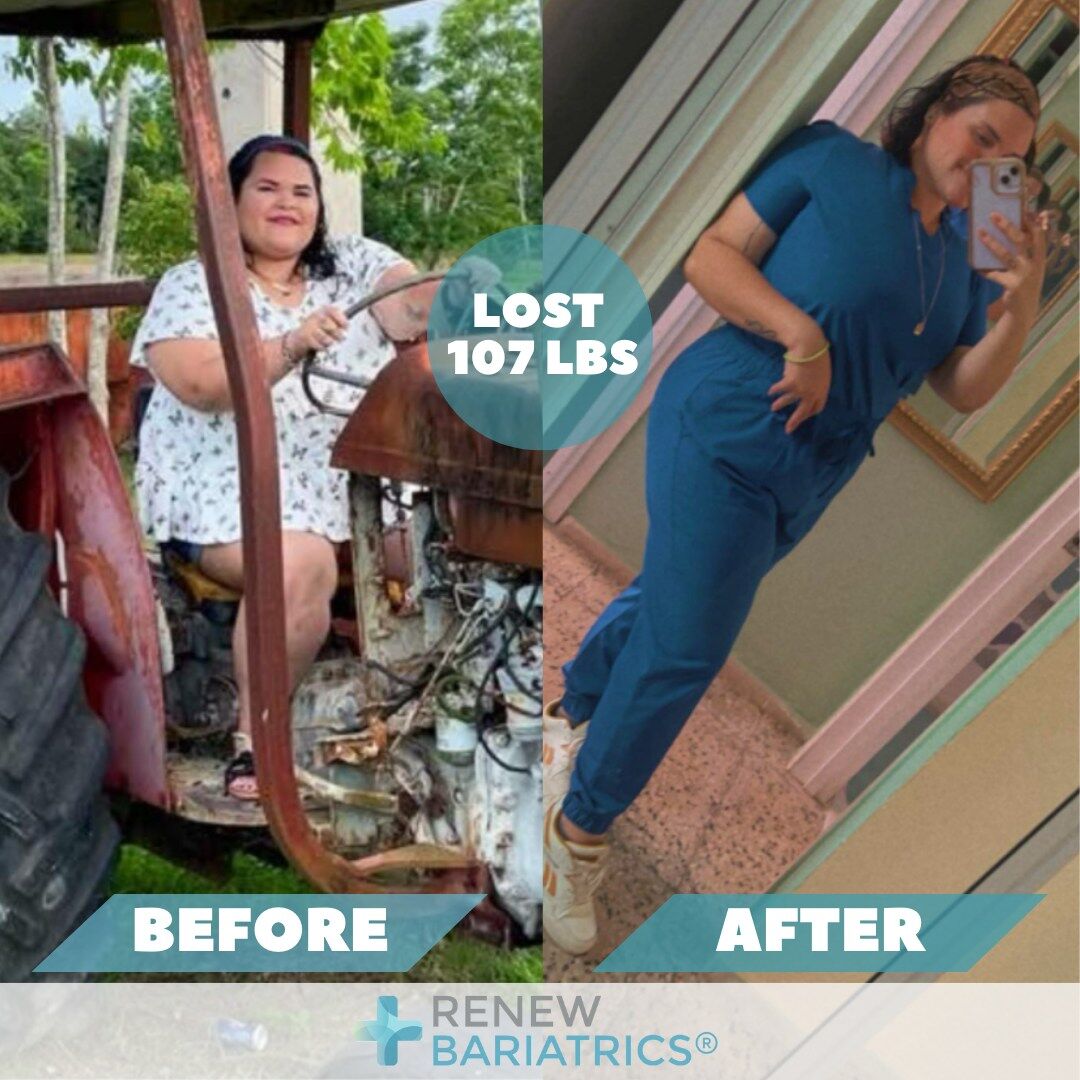
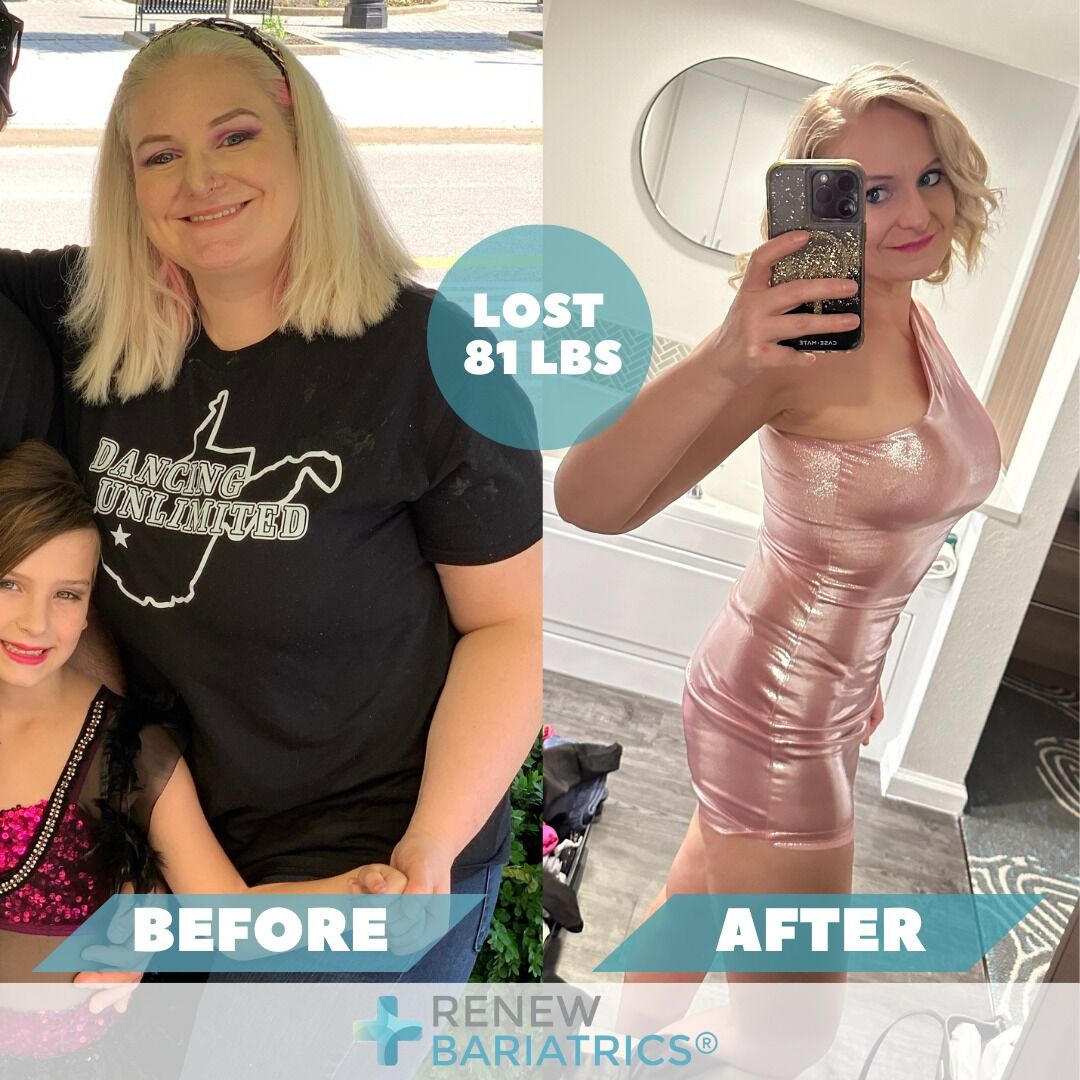
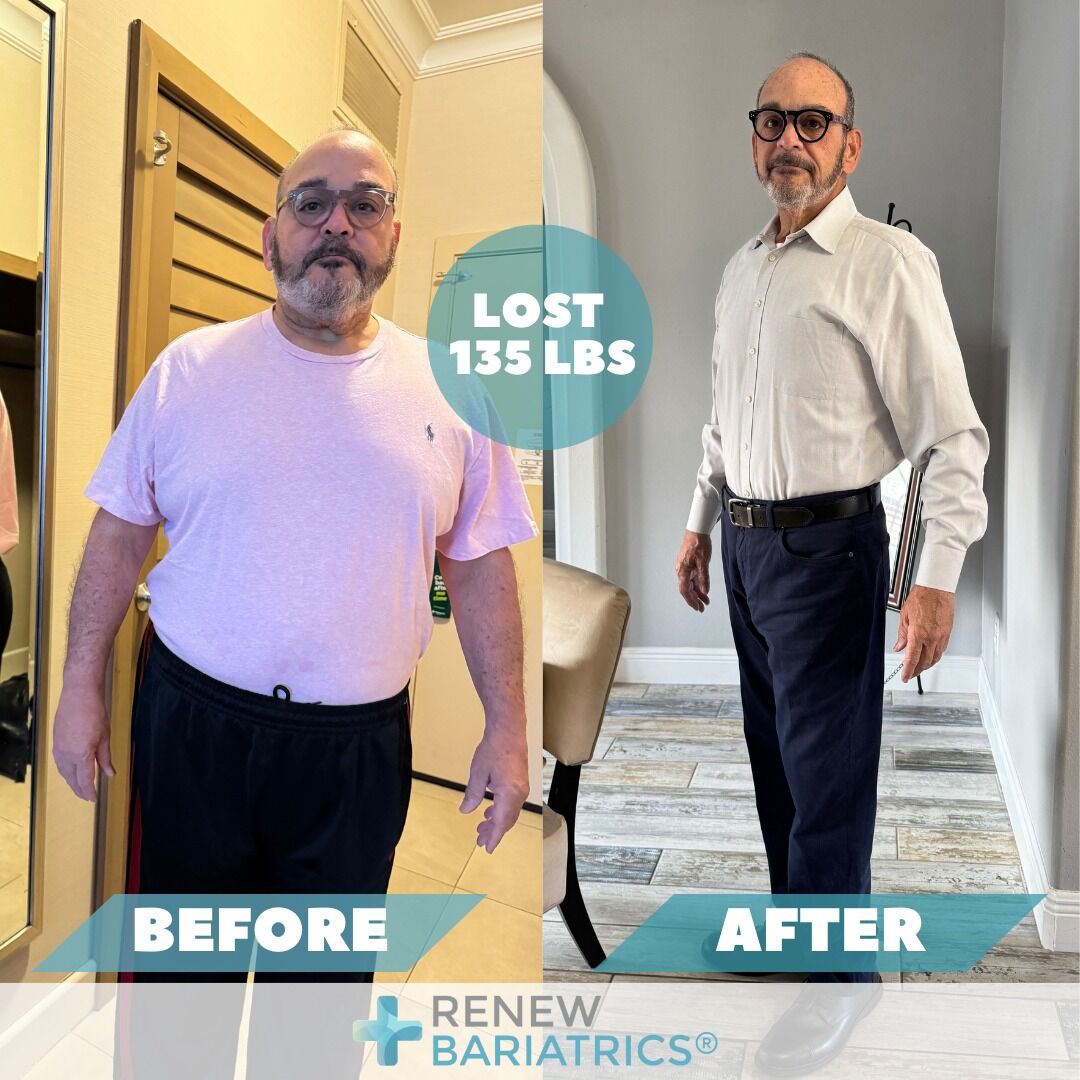
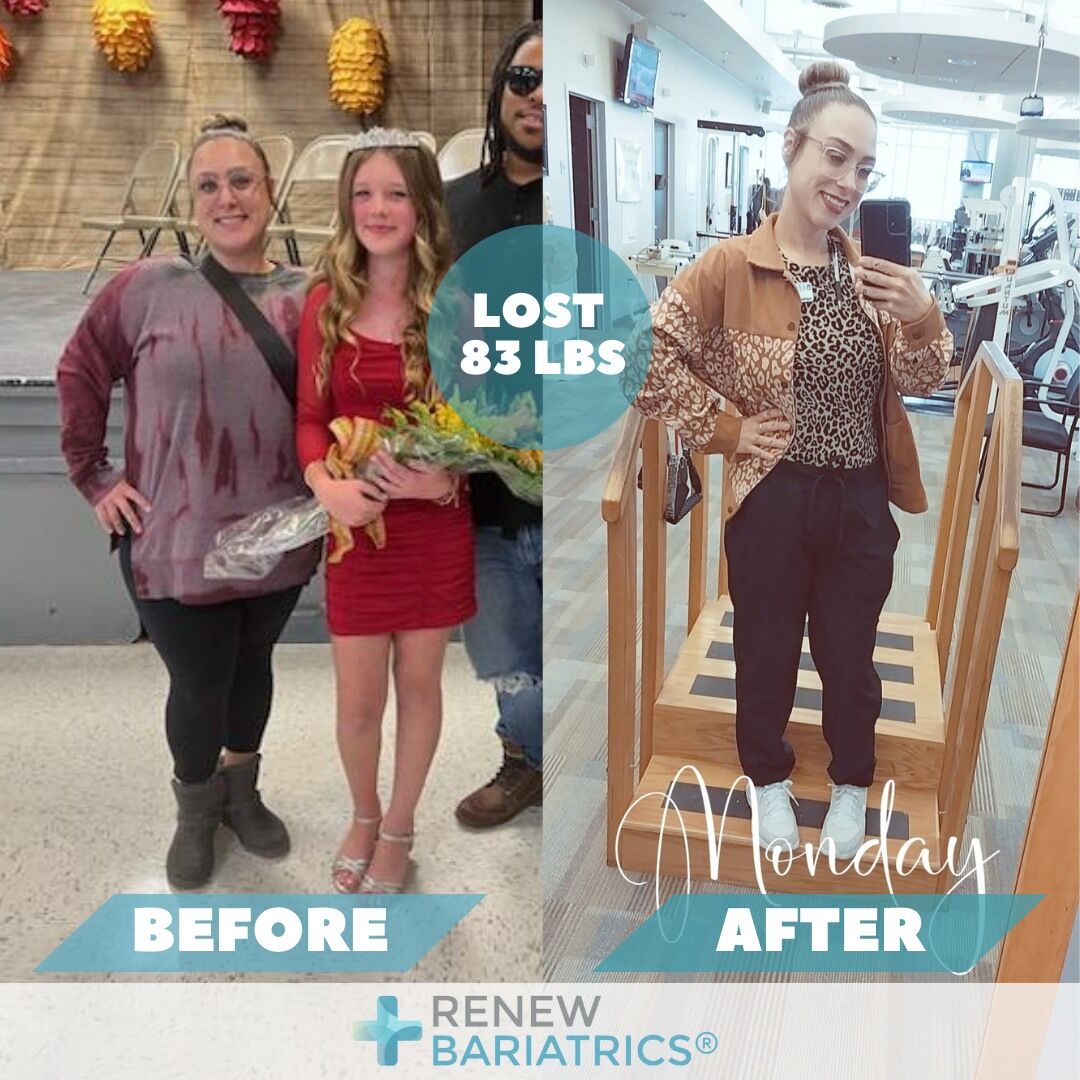
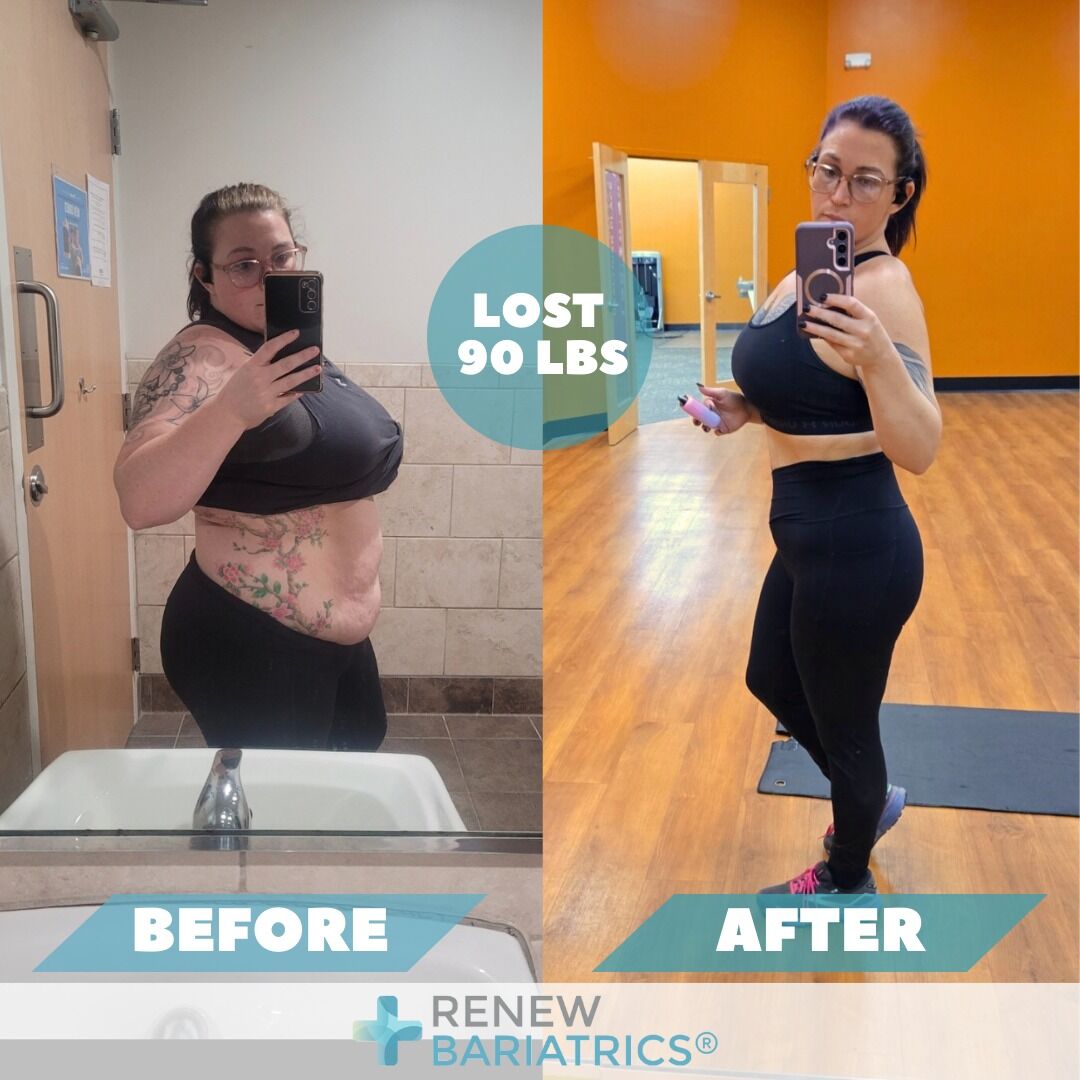
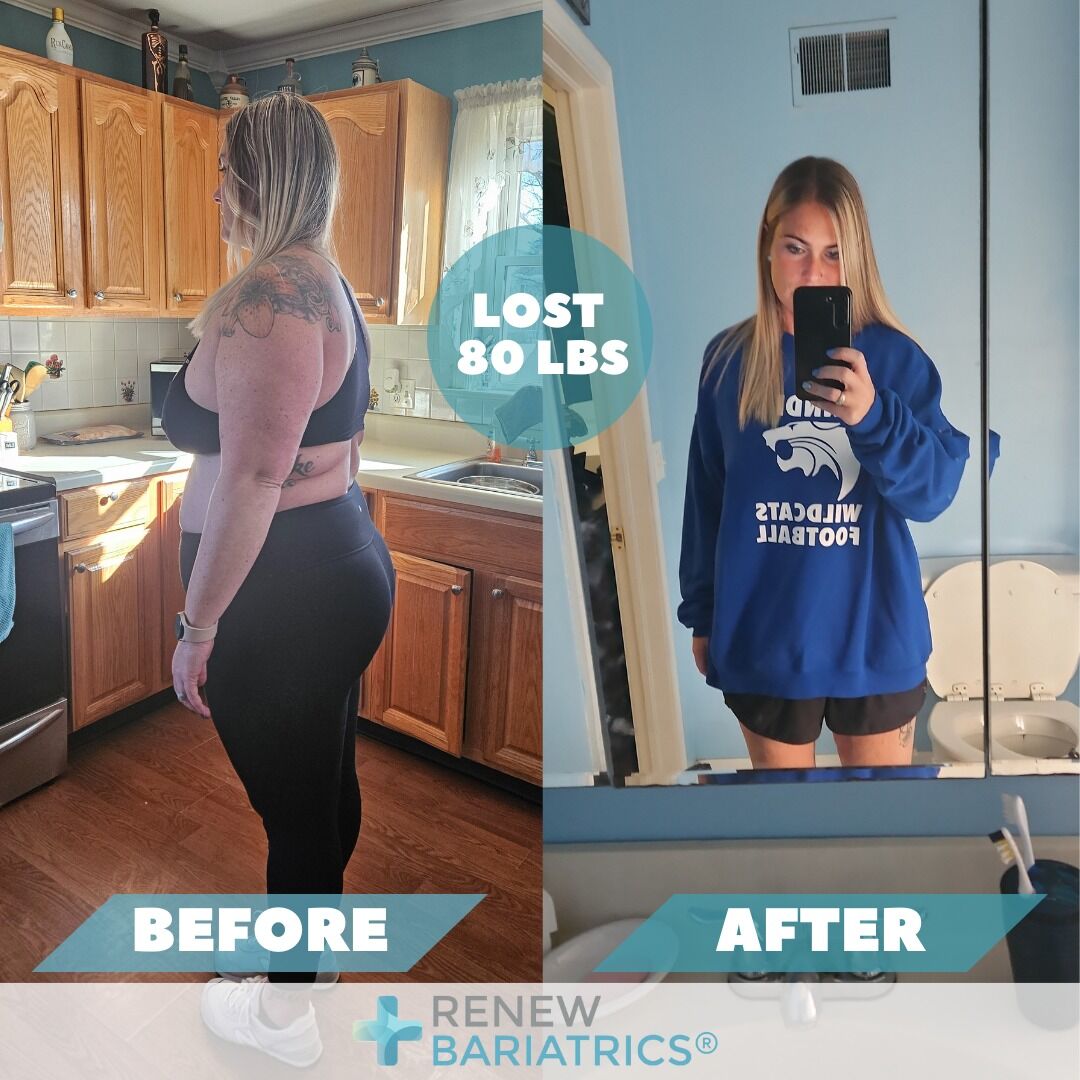
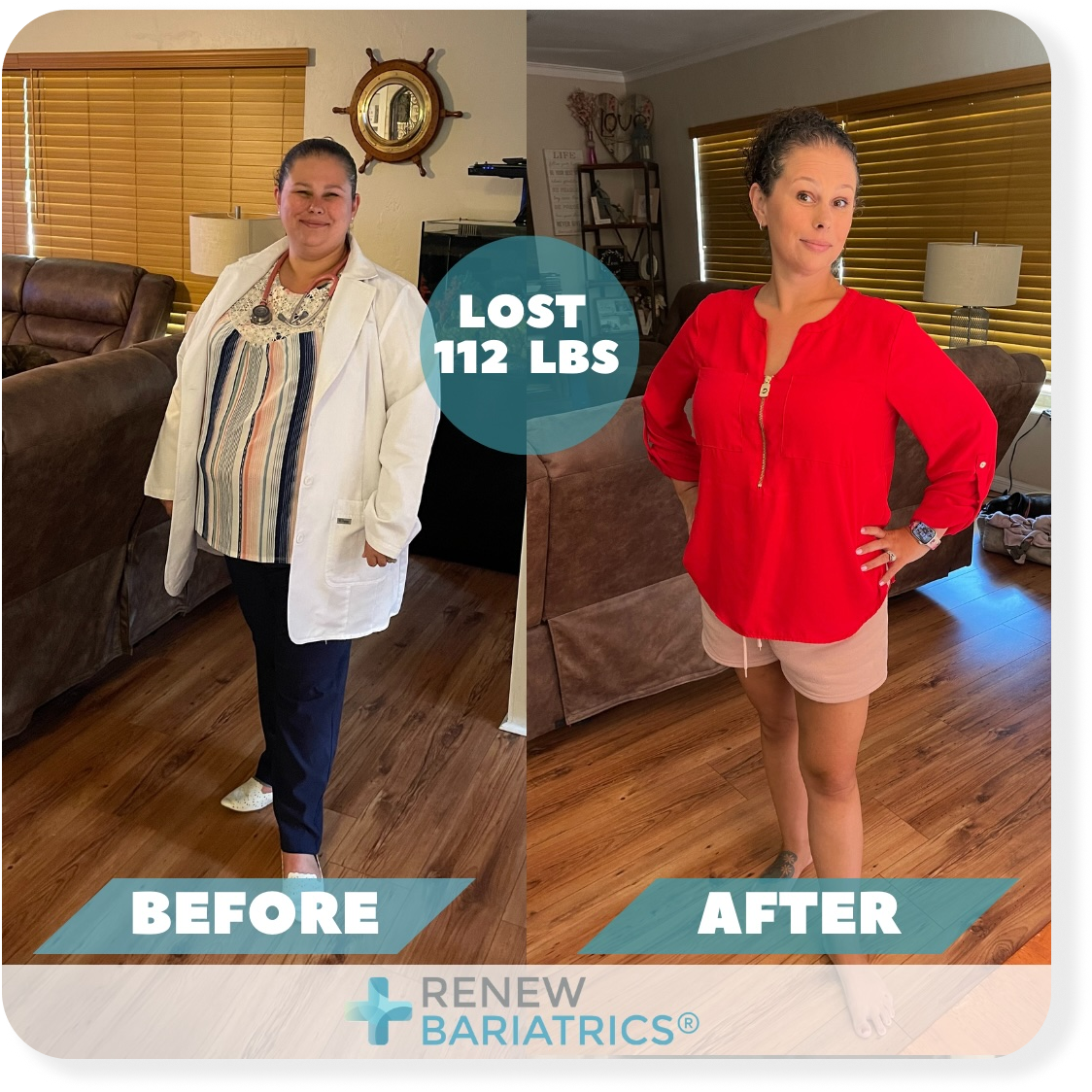
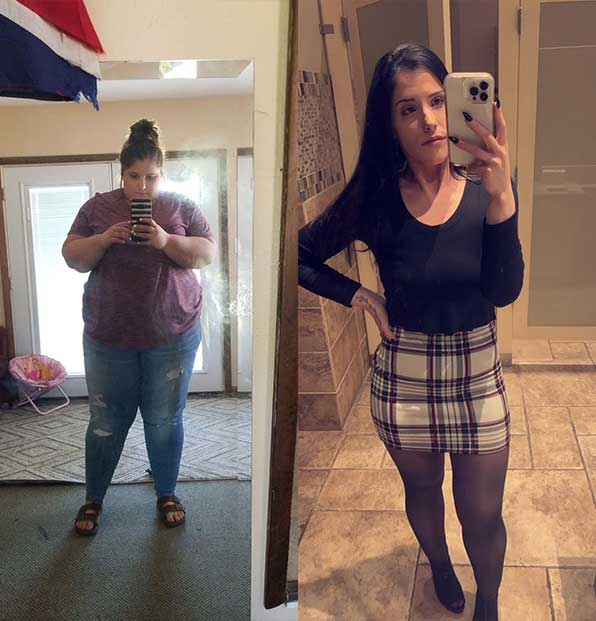
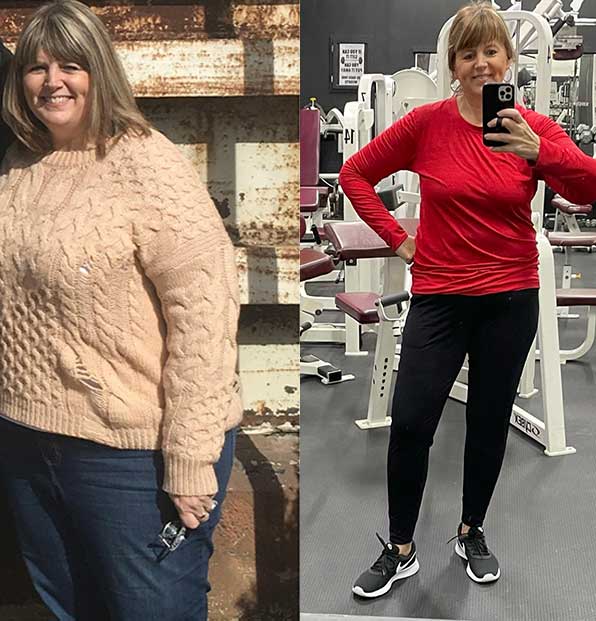
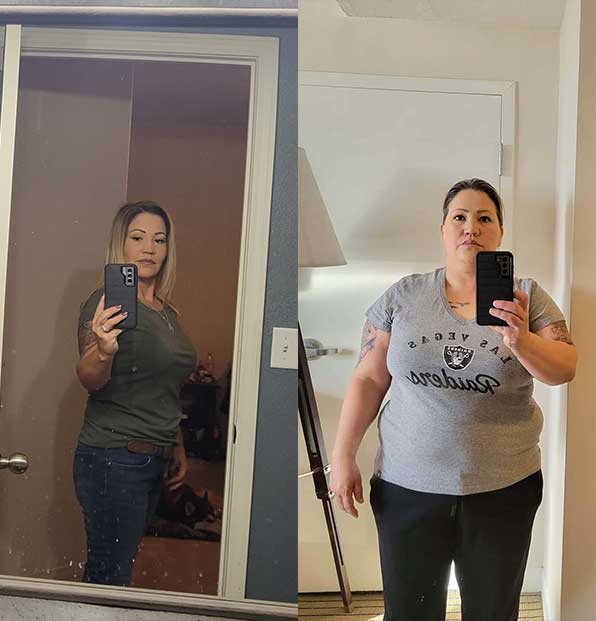
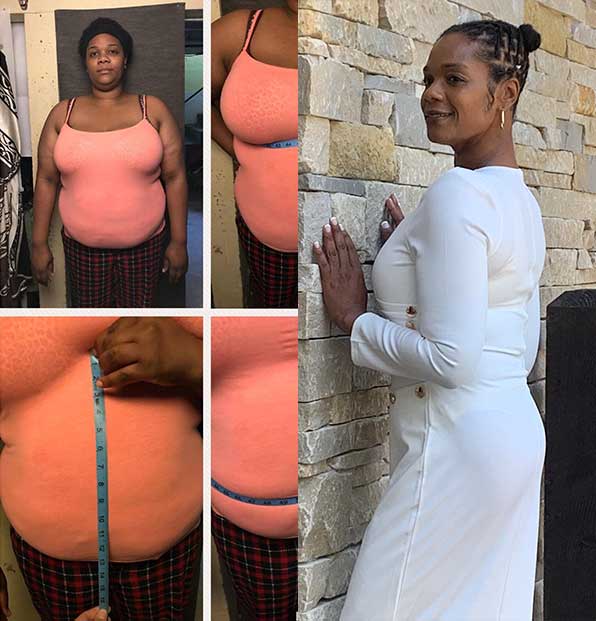
Weight loss surgery before and after, by procedure
Each procedure works differently, so results look different too. Here is how each one works, who it suits and what results to expect.
Gastric sleeve before and after
Gastric sleeve surgery removes most of the stomach, leaving a smaller, sleeve-shaped stomach. You feel full sooner and eat less, and many patients notice their hunger drops too.
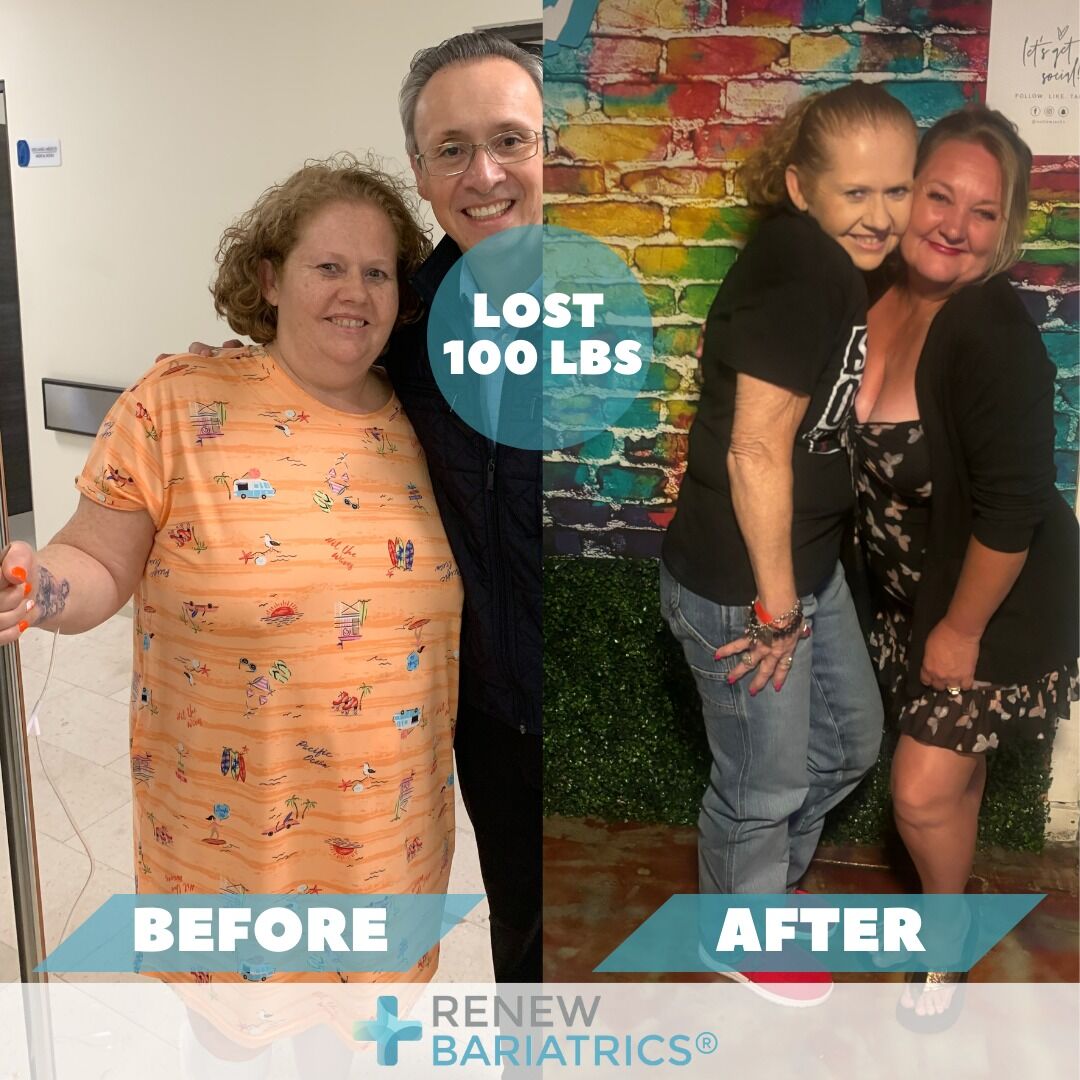
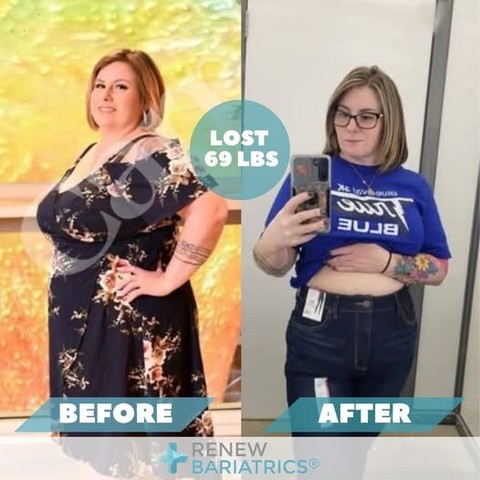
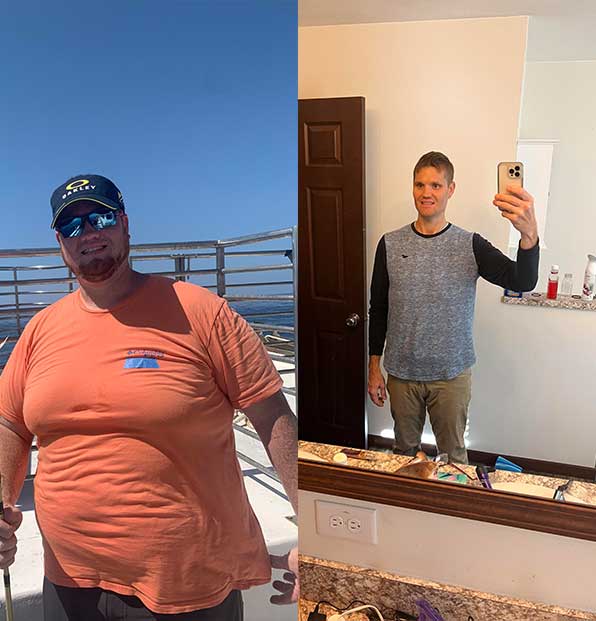
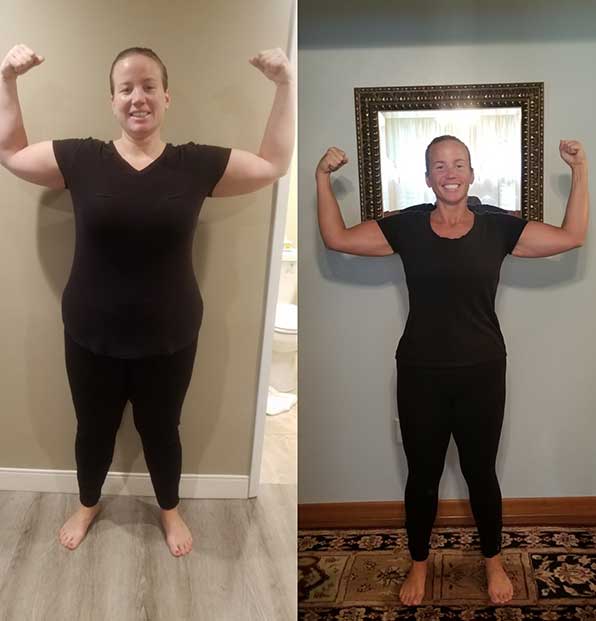
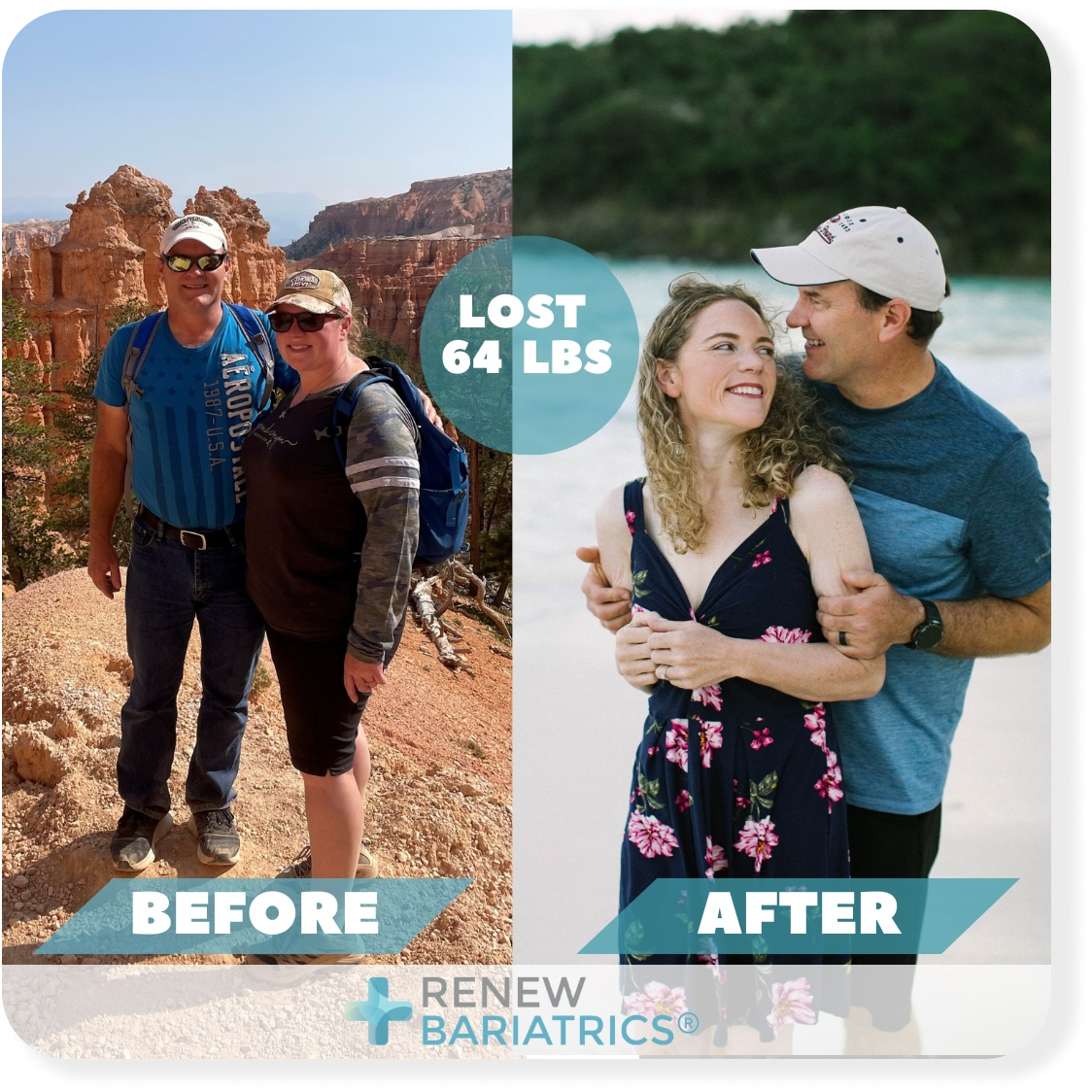
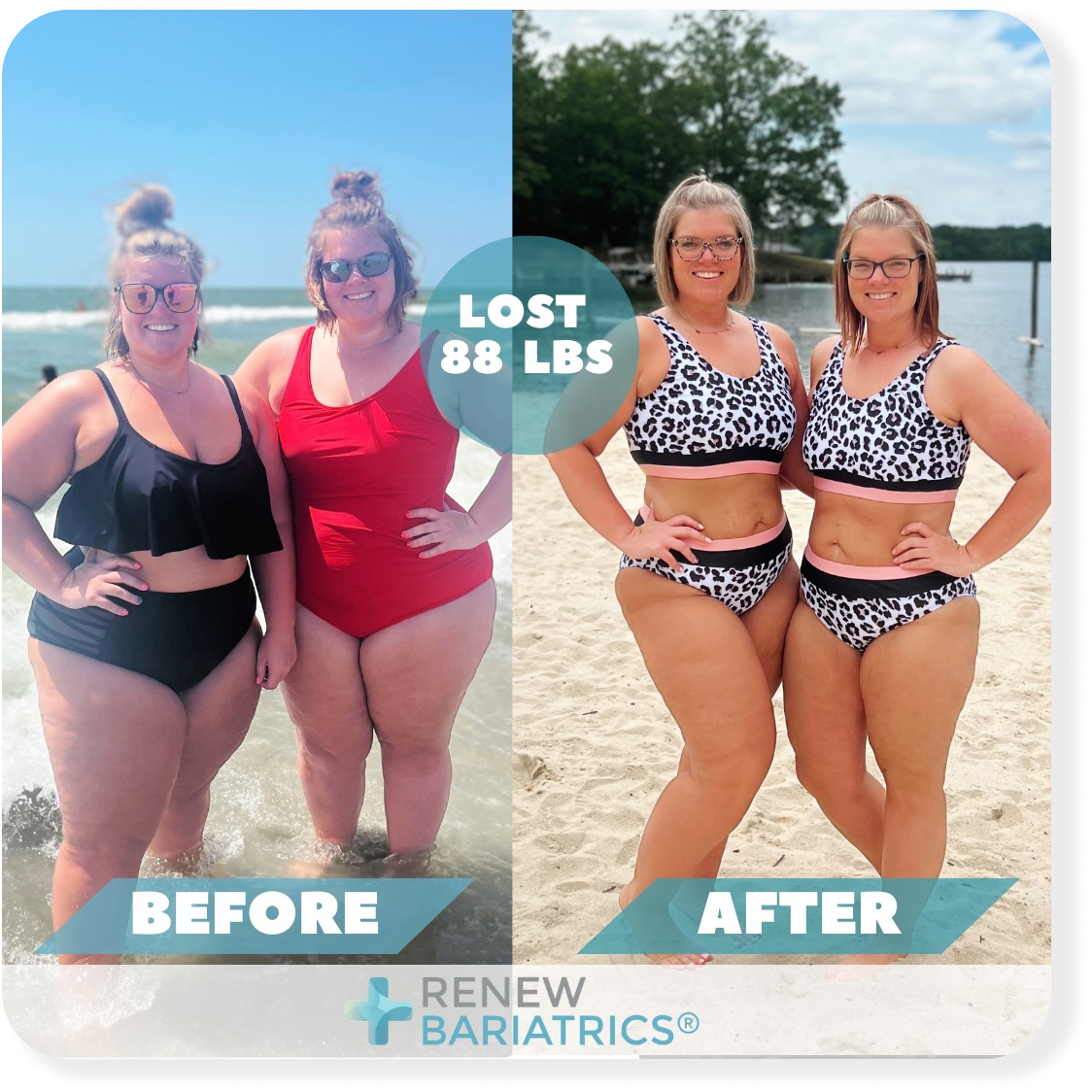
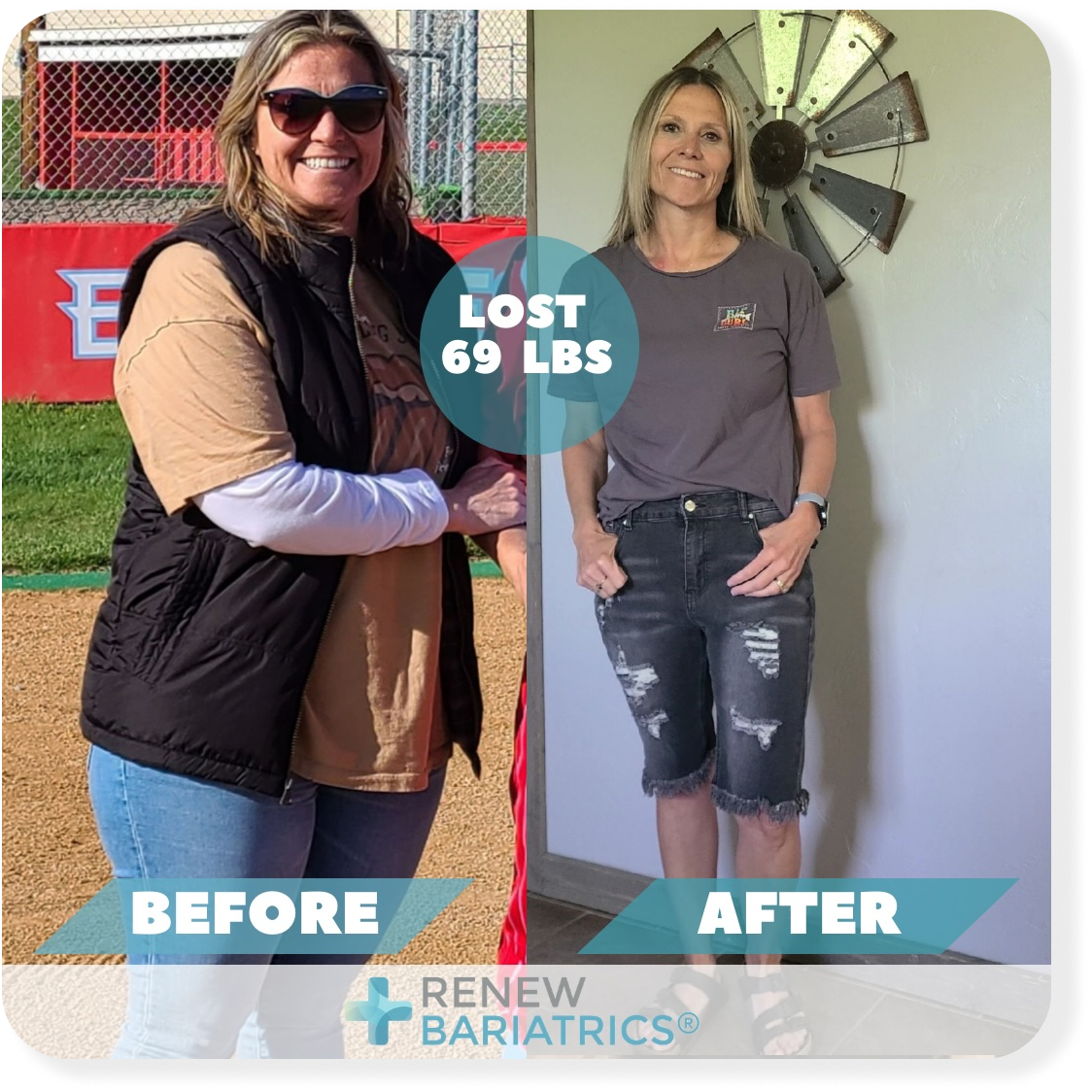
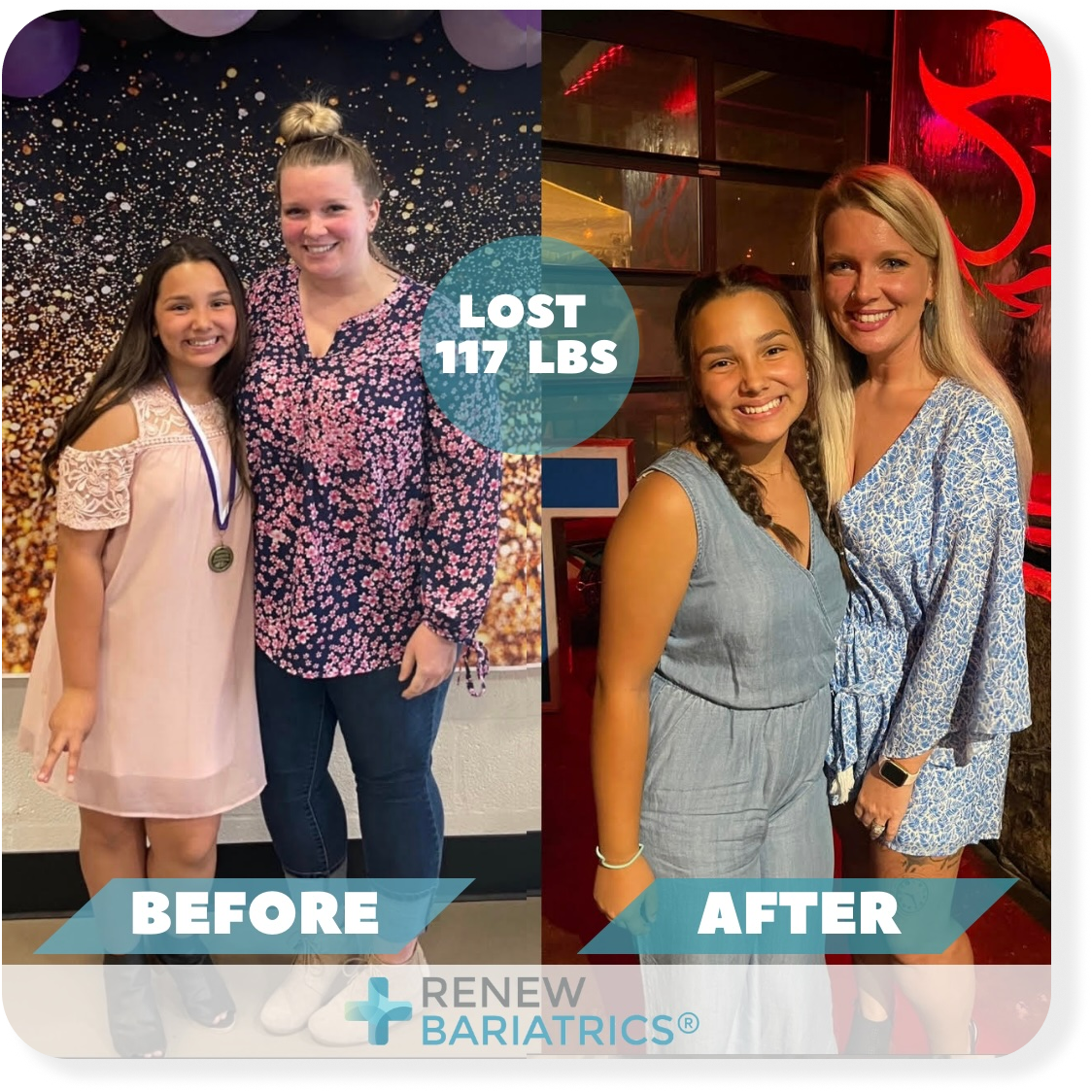
It is our most popular procedure, and most of the photos on this page are gastric sleeve patients. Weight comes off steadily over the first 12 to 18 months, and you should keep losing for up to 2 to 3 years.
- PriceFrom $4,899, all-inclusive
- Stay2 hospital nights + 1 hotel night
- Typical result22.8% of total body weight lost at 1 year (JAMA Surgery, 2020)
Gastric bypass before and after
Gastric bypass (Roux-en-Y) creates a small stomach pouch and connects it directly to the small intestine, so you eat less and absorb fewer calories.
On average it produces more weight loss than the sleeve, and it is often recommended for patients with acid reflux or type 2 diabetes. Most people lose about 10 to 20 lbs a month in the first year.
- PriceFrom $6,299, all-inclusive
- Stay2 hospital nights + 1 hotel night
- Typical result29.1% of total body weight lost at 1 year (JAMA Surgery, 2020)
Mini gastric bypass before and after
Mini gastric bypass (one anastomosis gastric bypass) creates a long, narrow stomach pouch with a single connection to the small intestine.
It is a shorter operation than a standard gastric bypass, and in studies it produces more excess weight loss than the gastric sleeve at both 1 and 5 years.
Duodenal switch before and after
The duodenal switch pairs a gastric sleeve with a bypass of most of the small intestine. It limits how much you eat and how many calories you absorb.
It produces the most weight loss of any bariatric procedure and is usually considered for patients with a very high BMI. Patients take vitamin supplements for life.
- PriceFrom $6,899, all-inclusive
- Typical result69% of excess weight lost at 1 year, 66% at 5+ years (Annals of Surgery, 2003)
Bariatric revision before and after
Revision surgery helps patients who regained weight or developed problems such as acid reflux after an earlier procedure.
The most common revision we perform is converting a gastric sleeve to a gastric bypass. Your surgeon reviews your records and anatomy first to find the right option.
Gastric balloon before and after
The gastric balloon is placed in the stomach through the mouth, with no incisions, and filled with saline so you feel full on less food.
It is removed after about 6 months. It suits patients with a lower BMI who want a non-surgical start, and weight loss is smaller than with surgery.
- PriceFrom $3,999, all-inclusive
- Typical result10.2% of total body weight lost at 6 months (FDA approval summary)
ESG before and after
Endoscopic sleeve gastroplasty (ESG) uses an endoscope passed through the mouth to place sutures that fold the stomach into a smaller sleeve. Nothing is cut or removed.
The procedure takes about 1 to 2 hours. It is for patients with a BMI of 30 or more who have already tried diet, exercise and medication.
- Typical result13.6% of total body weight lost at 1 year (MERIT trial)
TORe before and after
TORe (transoral outlet reduction) tightens the stretched connection between your gastric pouch and small intestine, through the mouth, with no external incisions.
It is only for patients who had a Roux-en-Y gastric bypass and have regained weight. The bypass stays intact, and the procedure takes about 60 minutes.
- Price$8,599, all-inclusive
- Typical result10.5% of total body weight lost at 6 months, 8.1% at 2 years (Obesity Surgery, 2023)