
TORe (transoral outlet reduction) tightens the stretched connection between your gastric pouch and small intestine — through the mouth, with no external incisions. The procedure takes roughly 60 minutes under general anesthesia and is performed by an experienced, double board-certified bariatric surgeon and the Renew bariatric endoscopy team.
Takes approximately 3 minutes. No commitment required.
You followed the plan. You lost the weight. Then, years later, the portions got bigger, hunger came back sooner, and the scale started moving the wrong way. That is not a character flaw — and it is not a reason to be embarrassed to ask for help.
Over time, the small opening between your gastric pouch and your small intestine — the gastrojejunal outlet — can stretch. When it widens, food empties faster, fullness fades earlier, and the restriction you used to feel simply isn’t there anymore. TORe is designed to address that specific mechanical change by tightening the outlet from the inside, without another operation.
Over time, the small opening between your gastric pouch and your small intestine — the gastrojejunal outlet — can stretch. When it widens, food empties faster, fullness fades earlier, and the restriction you used to feel simply isn’t there anymore. TORe is designed to address that specific mechanical change by tightening the outlet from the inside, without another operation.
These symptoms can point to a dilated outlet, but only a clinical evaluation — including endoscopy — can confirm it.
One package. One price. In the U.S., self-pay endoscopic bypass revision commonly runs about $9,000 to $18,000, and it is frequently not covered by insurance. Our all-inclusive TORe package is $8,399 — we are not the cheapest option in Mexico, and we don’t try to be.
Procedure and facility fees only; travel, hotel and aftercare are usually separate. Endoscopic revision is often excluded from insurance coverage.
Procedure, surgeon and endoscopy team, anesthesia, facility, pre-op labs, hotel, ground transport and the aftercare program — in one quoted figure.
U.S. price range reflects published self-pay estimates from Everself and Medical Tourism Co. Insurance coverage for endoscopic revision is limited and varies by plan. See the complete refund and rescheduling policy.
Gastric sleeve surgery is a permanent procedure with real benefits and real considerations. Here is an honest look at both.
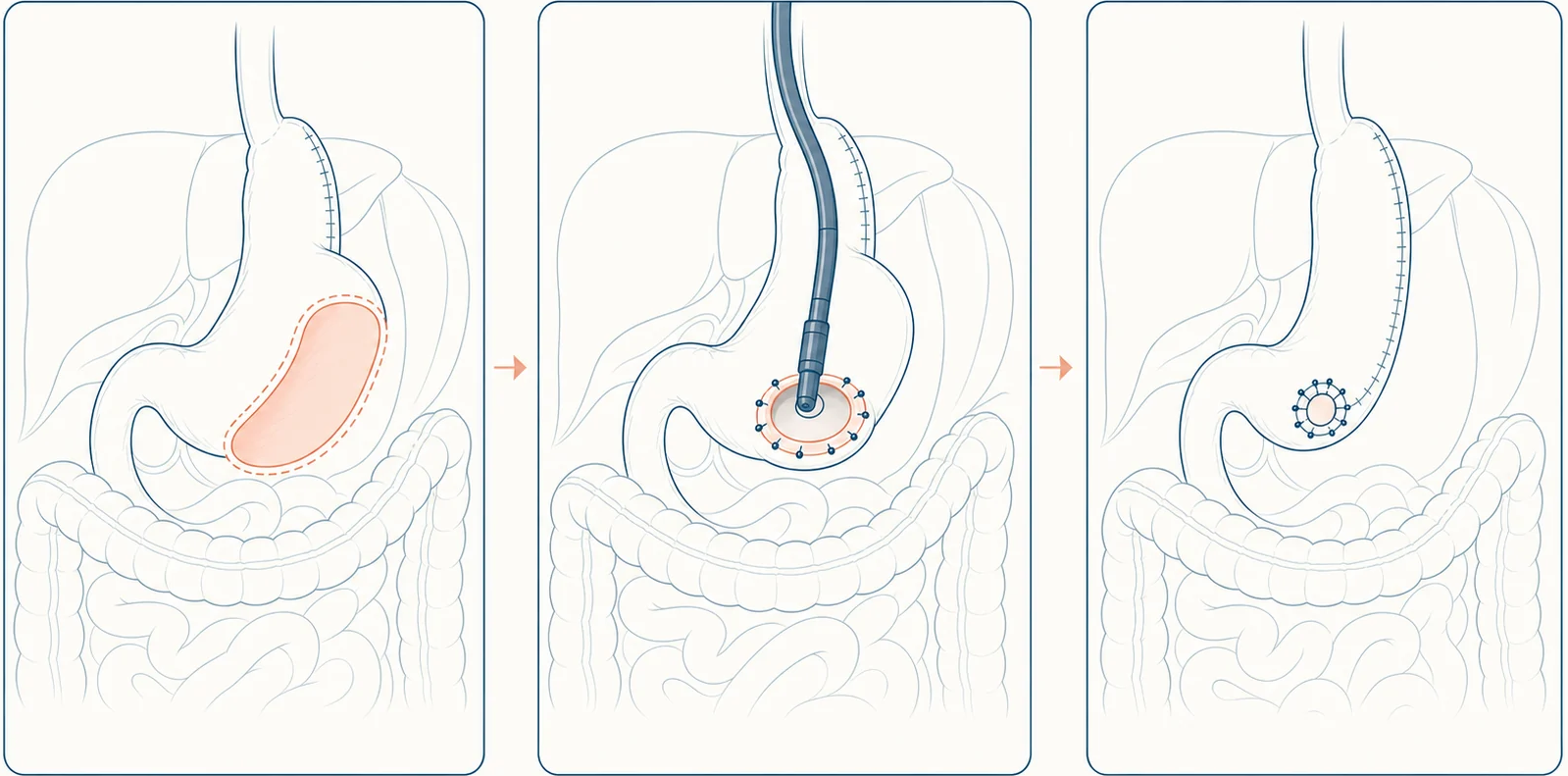
Procedure details reflect published descriptions of TORe from Johns Hopkins Medicine, Brigham and Women’s Hospital and a peer-reviewed review of endoscopic revision techniques. Your surgeon confirms the technique appropriate for your anatomy.
At Renew Bariatrics in Tijuana, Mexico, our experienced bariatric surgeons provide sleeve gastrectomy surgery at a fraction of the cost of care in the United States. We are dedicated to helping our patients experience transformative results so that they can look and feel their best.


“All I can say is thank you for giving me my life back. When I called and scheduled my appointment I was 315 lb, I started then watching what I ate. When I had the surgery I was 295 lb. I now weigh 180 lb. I never thought I would ever be down under 300 lb again in my life.
I sleep much better, I have more energy, and can walk upstairs without getting winded. All I can say is if anybody wants to have this surgery just do it. I can’t say enough about how well I was treated at the clinic. The nurses was nice and they took very good care of me.
If I had it all to do over again I would do it again in a heartbeat. I had the best care I’ve ever had anywhere. Again thank you so much for everything.”


Hi Dr. Pérez!!
Starting weight: 384
Current weight: 211
Goal weight: 195
Since surgery, I have been allotted a new opportunity for a NEW LIFE! I am living the life of my dreams.



Not “affordable surgery in Mexico”—a clearly documented, coordinated patient-care system that happens to cost less than U.S. surgery.
Revision is a diagnosis problem before it is a procedure problem.
Your procedure is performed by Dr. Hector Perez, an experienced double board-certified bariatric surgeon, with the Renew bariatric endoscopy team supporting anesthesia, monitoring and recovery.
A real private room and bathroom for monitored recovery, an on-site nursing station, and dedicated procedure and recovery rooms — see the facilities yourself in the gallery below.
Fly into San Diego for our Tijuana hospital — with pickup and border-crossing assistance — or fly direct to Cancún. Either way the route is planned end to end, and it’s a 3–4 day trip.
A companion is welcome in your room and at the hotel, rides in the same private transport, and stays close throughout. A valid passport is required for travel.
A tightened outlet is a tool, not a cure. Your coordinator stays your contact by phone and message, with a staged diet plan, nutrition follow-up, lab guidance and a defined escalation path after you return home.
Start with your BMI, then answer a few questions about your bypass and your symptoms. This is an educational tool — nothing here is an approval, a clearance or a diagnosis, and your medical history must be reviewed by the bariatric team.
Use the sliders to calculate your BMI and determine eligibility.
BMI
29
You are overweight
Find your estimated weight loss after surgery.
Starting Weight
155 lbs
After 12-18 Months
155 lbs
Estimated Weight Loss
With you're estimated to lose 67 lbs over 12-18 months
You are currently below your ideal body weight and thus not a candidate for surgery.
Ideal Body Weight (IBW) represents the weight a person should be for their height. Excess Body Weight (EBW) is the amount of weight a person is over their IBW.
How eligibility is actually decided: TORe applies only to patients who have already had Roux-en-Y gastric bypass and have weight recurrence, typically with a dilated gastrojejunal outlet confirmed on endoscopy. There is no single BMI or age cutoff — Brigham and Women’s Hospital notes no strict BMI requirement, while the FDA-authorized device labeling covers BMI 30–50. Suitability depends on a complete clinical evaluation of your records, anatomy, health and goals.
There is more than one reasonable answer to regain after bypass. Your anatomy, outlet size, reflux and ulcer history, medications, other conditions and goals all affect which option may be most appropriate.
Comparative safety and outcome rows reflect a published comparison of endoscopic versus surgical revision and a Mayo Clinic meta-analysis summary. This table is educational and is not a recommendation for your case.
Because TORe is endoscopic, the trip is shorter than a surgical revision — most patients are home on day 3 or 4. Choose the location that travels best from your city.
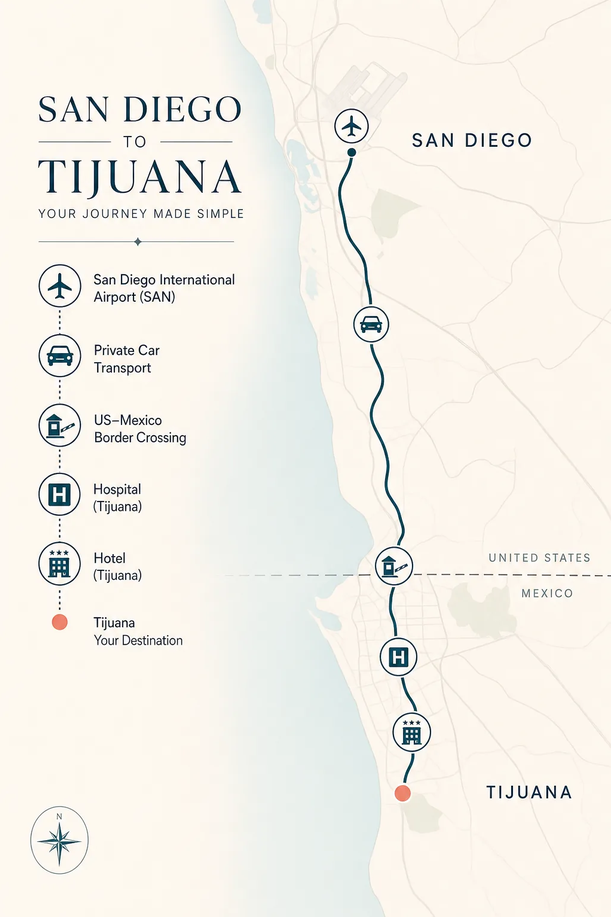
Itineraries may vary by arrival day, surgeon availability and individual medical needs. Some patients are discharged the same day as the procedure; others stay one monitored night. Your coordinator confirms your exact schedule before you book flights.
Your TORe procedure is performed by Dr. Hector Perez with the Renew bariatric endoscopy team.
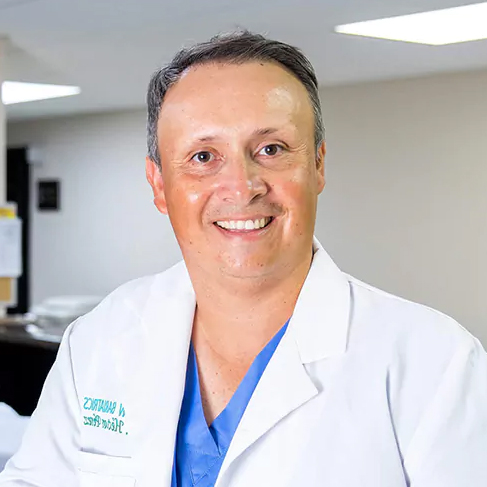
Experienced double board-certified bariatric surgeon
Board certifications: General & Bariatric Surgery
Medical education: Placeholder — medical school & residency
Bariatric training: Advanced laparoscopic & metabolic surgery
Procedures performed: Thousands across bariatric practice
Languages: English, Spanish
Facilities: Placeholder — Tijuana and Cancún surgical facilities
“With revision patients, the first job is finding out what actually changed — not repeating an operation.”
For patients who have regained weight after bypass, Dr. Perez reviews your operative history, symptoms and endoscopic findings before recommending anything. If your outlet is dilated, TORe may be appropriate. If something else is driving the regain, he will tell you that instead.

Exterior & main entrance
Exterior & main entrance
Exterior & main entrance
Exterior & main entrance
Exterior & main entrance
Exterior & main entrance
Exterior & main entrance
Exterior & main entrance
Exterior & main entrance

Van
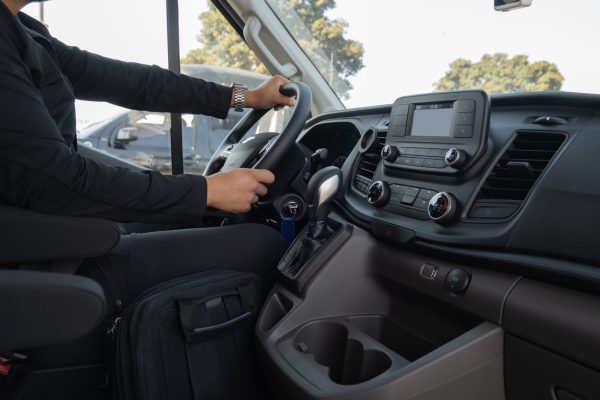
Van

Exterior & main entrance
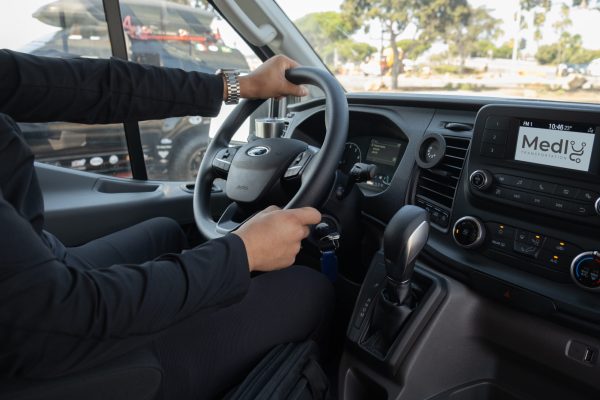
Exterior & main entrance

Exterior & main entrance
Exterior & main entrance
TORe avoids external incisions, but it is still a procedure under general anesthesia and it carries real risks. Short-term nausea, abdominal cramping and discomfort are common as the tightened outlet settles. Less commonly, patients can experience bleeding, narrowing (stricture) of the outlet, ulceration, or — rarely — perforation. Anesthesia itself carries risk. There is also the possibility that the outlet dilates again over time, or that weight loss is less than hoped.
Reported risk profiles come from Johns Hopkins Medicine and published comparisons of endoscopic and surgical revision.
Patients are transported by Renew’s designated drivers — between San Diego, the border, the hospital and the hotel for Tijuana, or from Cancún International Airport for Cancún. The medical facilities are located in established commercial and medical districts, and patients receive clear travel and safety instructions before arrival.
Recovery is shorter than a surgical revision, but the diet progression matters just as much — the sutures need time and gentle handling.
A stage-by-stage diet and supplementation plan written for bypass revision patients. Enter your email to receive the guide.
TORe stands for transoral outlet reduction. After Roux-en-Y gastric bypass, the small opening between your gastric pouch and your small intestine — the gastrojejunal outlet — can stretch over the years. When it does, food empties too quickly and the restriction you used to feel fades. During TORe, a flexible endoscope is passed through your mouth and full-thickness stitches are placed in a circle around that opening to tighten it, typically to about 8–10 mm. There are no external incisions and nothing is removed.
The procedure itself is performed under general anesthesia, so you feel nothing during it. Afterwards, most people describe cramping, nausea, and a full or tight feeling for a day or two rather than incision pain — there are no external cuts. Nausea and abdominal discomfort are the most common short-term effects, and the team manages them with medication and a slow liquid progression.
A surgical revision is an operation: incisions, the operating room, and physically reconstructing part of your anatomy. TORe is endoscopic — everything happens through the mouth, nothing is cut or removed, and it typically takes around 60 minutes. Published comparisons found fewer total and serious adverse events with endoscopic revision than with surgical revision, with similar long-term weight loss. It is a less invasive option, not a stronger one.
Our all-inclusive TORe package is $8,399. It covers the bariatric surgeon and endoscopy team, general anesthesia, the facility and equipment including the suturing device, diagnostic endoscopy and outlet assessment, pre-procedure labs, a private room for monitored recovery, hotel nights, ground transportation (San Diego airport and border, or Cancún airport), companion accommodations, medications administered in Mexico, nutritionist guidance and staged diet plan, the aftercare program, and FMLA and return-to-work documentation.
Airfare to San Diego or Cancún, certain take-home prescriptions you fill at home, optional upgraded recovery services or extra hotel nights, and any costs tied to unrelated medical conditions or additional procedures not listed in your original quote. Your coordinator confirms your exact quote before you commit.
Because the package is genuinely all-inclusive and built around revision patients: diagnostic endoscopy and outlet assessment, private monitored recovery, hotel, transport, companion accommodations, nutrition support and a structured aftercare program are inside the quoted figure. We are not the cheapest option in Mexico and do not claim to be. We aim to be the clearest — one number, documented inclusions, and no surprise facility bills at discharge.
Often not. Endoscopic bypass revision is frequently excluded from U.S. insurance coverage, and self-pay quotes in the U.S. commonly run about $9,000 to $18,000. Coverage rules vary by plan, so it is worth asking your insurer directly. HSA or FSA funds may be accepted toward eligible expenses, and your coordinator can provide documentation to support a request.
No — TORe is bypass-only. It works by tightening the gastrojejunal outlet created during a Roux-en-Y gastric bypass, and a sleeve does not have that anatomy. Patients who regain weight after a sleeve have different revision options, and the bariatric team can review those with you at no cost through the free medical review.
Published studies of TORe report total body weight loss of roughly 8.5% to 17.4% at 12 months depending on the study, with 81.2% of patients reaching at least 10% total body weight loss in one 284-patient series, and around 12.5% maintained at five years in longer-term data. Those are other patients at other centers. Your result depends on your anatomy, starting weight, health, and long-term participation in the diet, activity and follow-up plan. Individual results vary and are not guaranteed.
Typically three to four days: arrive on day 1 for labs and evaluation, TORe on day 2 with monitored recovery, follow-up and discharge on day 3, and fly home on day 3 or 4. Some patients are discharged the same day as the procedure; others stay one monitored night. Your coordinator confirms your schedule before you book flights.
Both are Renew facilities. For Tijuana, you fly into San Diego International (SAN) and a Renew driver handles pickup and border-crossing assistance. For Cancún, you fly direct into Cancún International (CUN) with no land border crossing and a driver meets you at the airport. Choose whichever route travels better from your city — the clinical care and the package price are the same.
Most patients fly home a day or two after TORe, once the team has confirmed they are tolerating clear liquids, their pain and nausea are controlled, and discharge criteria are met. Because there are no external incisions, recovery is usually quicker than after surgery. Your team gives you written clearance guidance, warning signs to watch for, and instructions for what to do if symptoms appear while travelling.
Sometimes. Sutures can loosen and an outlet can dilate again over time, and repeat endoscopic reduction is possible for some patients. Whether it is appropriate depends on your anatomy, tissue quality and what the endoscopy shows, so it is a case-by-case decision made by the surgeon rather than a guarantee.
It may. Dumping-type symptoms — shakiness, sweating, racing heart, nausea after eating — are often driven by food emptying too rapidly through a widened outlet. Reducing the outlet can slow that transit, and TORe is used clinically for dumping symptoms as well as weight regain. It is not a guaranteed fix, and your symptoms should be evaluated properly before assuming the cause.
Staged, and gentler than you may expect: clear liquids first, then full liquids for roughly the first week, then purée and soft foods over weeks two to four as tolerated, with protein and fluid targets from your nutritionist. No straws or carbonated drinks early on, small bites, thorough chewing. You continue your usual post-bypass vitamins and labs. The full plan is in the guide your team gives you.
Many people with desk-based work return within a few days, since there are no incisions to heal. Physically demanding jobs take longer, and your team gives you personalized guidance. FMLA and return-to-work documentation are part of the package.
Short-term nausea, cramping and abdominal discomfort are common. Less commonly, patients can have bleeding, narrowing (stricture) of the outlet, ulceration, or — rarely — perforation. General anesthesia carries its own risks. There is also the possibility of the outlet dilating again over time or of less weight loss than hoped. We describe these openly rather than minimize them.
NSAIDs such as ibuprofen and naproxen are generally discouraged after gastric bypass and after TORe, because they raise the risk of ulcers at the outlet — exactly the area being treated. Your surgeon will review your full medication list and recommend safer alternatives for pain relief.
Yes. TORe does not change the absorptive anatomy of your bypass, so lifelong vitamin and mineral supplementation and periodic lab monitoring remain necessary. Your nutritionist confirms what to take and when to test as part of the follow-up plan.
Care quality depends on the team and the facility, not the country. At Renew, your prior operative records are reviewed before travel, pre-procedure labs and an anesthesia evaluation are performed, diagnostic endoscopy confirms your anatomy, recovery is monitored by nursing staff with defined discharge criteria, and there are emergency transfer procedures and a follow-up escalation path after you return home. Patients are transported by Renew designated drivers, and the facilities are in established commercial and medical districts.
Yes, and we encourage it. A companion is included in the package — they stay with you at the hotel, ride in the same private transport, and can be with you during recovery. Both of you need a valid passport for travel.
Financing is available, credit cards are accepted, a deposit reserves your date and remains valid for two years. To begin, complete the confidential health application on this page — most people finish it in under five minutes. The bariatric team then provides a free medical review of your bypass history and symptoms, with no commitment to proceed.
Complete your confidential health application to receive a free medical review and personalized recommendation from the Renew Bariatrics team. Regaining weight after bypass is common — asking about revision options is not starting over.