Probiotics are a popular supplement, and many bariatric patients wonder whether they should take one after surgery. Here, we look at what probiotics are, how bariatric surgery affects your gut, what the research shows, which types and foods to consider and how to take them safely.
Always check with your surgeon or bariatric nutritionist before starting any new supplement after surgery.
What are probiotics?
Probiotics are live microorganisms, mostly bacteria and some yeasts, that are meant to have health benefits when you eat or take them, according to the National Center for Complementary and Integrative Health. They are found in some fermented foods and in dietary supplements.
Your gut is home to trillions of microbes, known as the gut microbiome. These microbes help digest food, make some vitamins and support the immune system. Probiotics are different from prebiotics, which are fibers that feed the good bacteria already in your gut.
How bariatric surgery affects your gut
Bariatric surgery changes how food moves through your digestive system, which also changes the balance of bacteria in your gut.
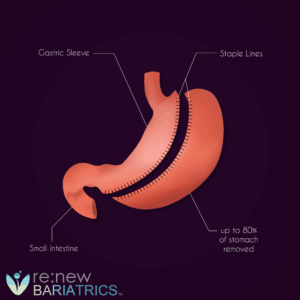
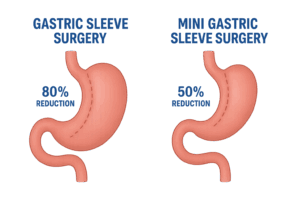
- Gastric sleeve. About 80% of the stomach is removed, leaving a narrow, banana-shaped stomach. This includes the part of the stomach that makes most of the hunger hormone ghrelin, so you feel less hungry and full sooner.
- Gastric bypass. The surgeon creates a small stomach pouch about the size of an egg and connects it directly to the small intestine. The rest of the stomach and the first part of the small intestine are bypassed, not removed. You eat less and absorb fewer calories and nutrients.
With less stomach acid and a new path for food, some patients develop small intestinal bacterial overgrowth (SIBO), especially after gastric bypass. SIBO can cause bloating, gas, diarrhea and poor absorption of nutrients such as vitamin B12.
What the research says
Research on probiotics after bariatric surgery is still limited, and most studies are small. Here is what it shows so far.
Weight loss
The best current evidence does not show that probiotics increase weight loss after surgery. A 2025 meta-analysis of 13 randomized trials found no significant effect on excess weight loss or BMI and concluded that probiotics “should not be promoted solely for enhancing postoperative weight loss” (Wang et al., Annals of Medicine). A 2026 meta-analysis of 13 trials also found no significant effect on weight loss, BMI or waist size (Ezzi et al., Metabolites).
A 2024 double-blind trial of 135 gastric bypass patients also found that probiotics did not significantly affect weight loss (Melali et al., Obesity Surgery, 2024). One 2026 trial of 200 patients reported more excess weight loss at 6 months with probiotics (Abdelfatah et al., Obesity Surgery, 2026), but that study had no placebo group, and pooled results across trials do not show a weight loss benefit.
Vitamin B12, vitamin D and bacterial overgrowth
In the 2024 double-blind trial, gastric bypass patients who took a probiotic had higher vitamin B12 levels and lower blood sugar and HbA1c at 3 and 6 months than those on a placebo (Melali et al., Obesity Surgery, 2024). An earlier 2009 trial also found higher B12 and less bacterial overgrowth (Woodard et al.). The 2026 meta-analysis also found higher vitamin B12 and vitamin D levels in patients who took probiotics, though results varied widely between studies (Ezzi et al.).
For bacterial overgrowth, the evidence is weaker. a pooled analysis of five trials found no significant benefit of probiotics for treating SIBO after bariatric surgery, likely because there are few studies (Wang et al.).
Probiotics do not replace your bariatric vitamins. You will still need lifelong vitamin and mineral supplements, including B12, and regular lab work.
Digestion and other effects
Some trials have reported improvements in constipation, bloating and other digestive symptoms, but results are mixed. In the 2024 trial, digestive quality of life improved in both the probiotic and placebo groups (Melali et al., Obesity Surgery, 2024). Pooled results found no significant effect on cholesterol, blood sugar or inflammation markers (Ezzi et al.). Researchers agree that probiotics show promise after gastric bypass, but larger, well-designed studies are needed (Nowicki and Pories, Clinical Obesity).
Diarrhea
The American Society for Metabolic and Bariatric Surgery (ASMBS) notes that many patients with diarrhea after surgery benefit from a short course of probiotics, once other causes are ruled out. Some probiotic strains may also lower the risk of diarrhea caused by antibiotics, especially when started within 2 days of the first antibiotic dose (NIH Office of Dietary Supplements).
Best probiotics to take after bariatric surgery
There is no single best probiotic after bariatric surgery, and no standard dose. Effects depend on the specific strain, so choose a product your surgeon or nutritionist recommends. These are the types most often studied or recommended:
| Probiotic | What the evidence shows |
|---|---|
| Lactobacillus plantarum 299v and Lactobacillus GG (now named Lacticaseibacillus rhamnosus GG) | Bariatric nutrition guidelines say these may be considered for bacterial overgrowth that does not respond to antibiotics (AACE, ASMBS and others). This is a low-grade recommendation based on limited evidence. |
| Lactobacillus blends (such as L. acidophilus) | Used in gastric bypass trials that found higher B12 levels. ASMBS lists L. acidophilus as a typical product for diarrhea. |
| Multi-strain products (Lactobacillus and Bifidobacterium) | Used in many of the bariatric trials. ASMBS notes that more complex products seem to work better for diarrhea, but trials have not shown a clear winner. |
| Saccharomyces boulardii | A probiotic yeast studied for preventing diarrhea caused by antibiotics. It is not specific to bariatric patients. |
How to choose a probiotic supplement
- Check the strain. A good label lists the genus, species and strain, such as Lacticaseibacillus rhamnosus GG (NIH Office of Dietary Supplements).
- Check the CFU count. Probiotics are measured in colony-forming units (CFU). Many products contain 1 to 10 billion CFU per dose. A higher CFU count does not necessarily mean a product works better (NIH Office of Dietary Supplements). Look for a CFU count guaranteed through the expiration date, not just at the time of manufacture.
- Pick the right form. Early after surgery, your team may advise chewable, powder or liquid supplements instead of large capsules. Avoid products with added sugar.
- Look for quality testing. Supplements don’t need FDA approval before they are sold, and some products don’t contain what their label says (NCCIH). Choose a trusted brand, ideally with third-party testing.
- Store it correctly. Some probiotics need to be refrigerated. Follow the label.
Probiotic foods
You can also get live cultures from fermented foods. Not all fermented foods contain probiotics with proven benefits, and some products are heat-treated after fermenting, which kills the cultures (NIH Office of Dietary Supplements). Look for “live and active cultures” or listed strains on the label. Options include:
- Plain yogurt and Greek yogurt with “live and active cultures”
- Kefir (plain, unsweetened)
- Cottage cheese labeled with live and active cultures
- Refrigerated sauerkraut and kimchi
- Miso and tempeh
Add these foods as your diet progresses after surgery. Plain yogurt and kefir are good protein sources and often fit early diet stages. Sauerkraut, kimchi and miso are high in salt and are better saved for later stages. Avoid sweetened yogurts and drinks, which can cause dumping syndrome, and carbonated kombucha early on. See the gastric sleeve post-op diet for what to eat when.
Are probiotics safe after bariatric surgery?
Probiotics have a long history of apparently safe use in healthy people. The most common side effect is gas. They rarely cause infections or other health problems in healthy people (NIH Office of Dietary Supplements).
Probiotics are not right for everyone. The NCCIH notes that people with weakened immune systems or serious illnesses are at higher risk of harmful effects, including serious infections. Talk to your doctor before taking probiotics if you:
- Have a weakened immune system or take medicines that suppress it
- Are seriously ill or in the hospital
- Have a serious underlying health condition
When to call your doctor
Watery diarrhea, very foul-smelling gas and stomach cramping after surgery can be signs of a C. difficile infection, especially if you have taken antibiotics. This can happen early after surgery or 2 to 3 months later and needs medical treatment, not just probiotics (ASMBS). Contact your doctor right away.
If you have severe stomach pain, a fever, blood in your stool or signs of dehydration, go to the nearest emergency room. Then let the Renew care team know.
Frequently asked questions
Should I take probiotics after gastric sleeve or bypass?
They may help some patients with diarrhea, bloating or bacterial overgrowth, but they are not required for everyone. Ask your surgeon or bariatric nutritionist whether a probiotic makes sense for you.
Do probiotics help with weight loss after bariatric surgery?
Current evidence says no. Two recent meta-analyses of randomized trials found no significant effect on weight loss or BMI after surgery.
When can I start probiotics after surgery?
Follow your surgeon’s guidance. Plain yogurt and kefir can usually be added as your diet stages allow. Ask before starting any supplement.
What is the best probiotic after bariatric surgery?
There is no single best probiotic. Bariatric guidelines mention Lactobacillus plantarum 299v and Lactobacillus GG for bacterial overgrowth that doesn’t respond to antibiotics. Choose a product with clearly labeled strains, a guaranteed CFU count and no added sugar.
How many CFU do I need?
There is no standard dose. Many products contain 1 to 10 billion CFU per dose, and a higher count doesn’t necessarily mean better results.
Can probiotics replace my bariatric vitamins?
No. You still need your bariatric vitamins and minerals for life, along with regular lab work.
Are there side effects?
Gas is the most common. People with weakened immune systems or serious illnesses should talk to their doctor first.
Support after surgery with Renew
Renew patients get post-op diet guidance and ongoing support from our team after surgery. If you have questions about supplements, including probiotics, ask your coordinator or nutritionist. Ready to get started? Get your free quote or read patient reviews.